-
Sorry! We're closed on weekends!
 5 - Star Service
- Call our number today!
0410 790 630

How to Connect a Toilet to a Sewer Pipe in Australia
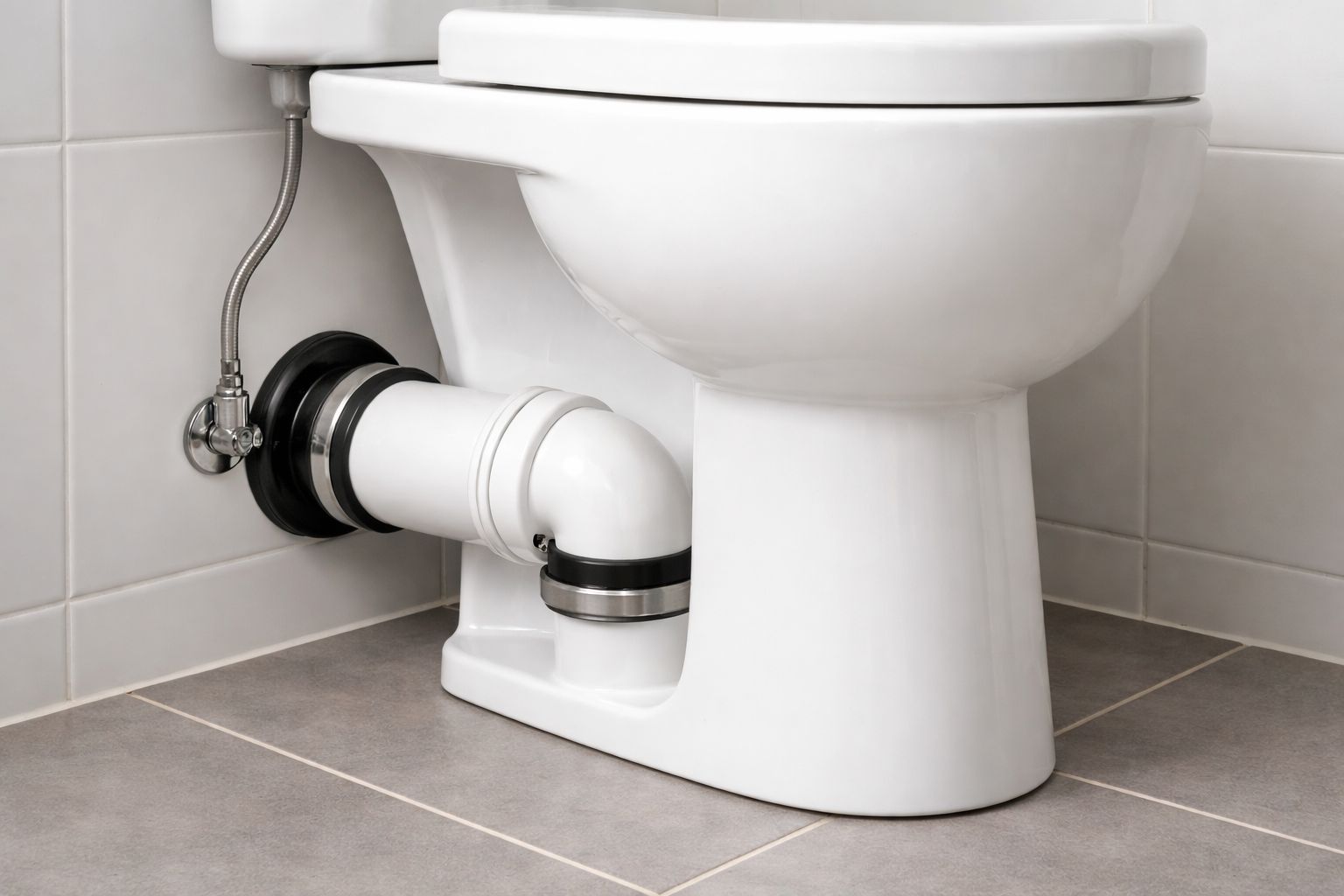
Understanding how to connect a toilet to a sewer pipe is essential for maintaining a safe, hygienic, and compliant plumbing system. In Australia, toilets must be correctly connected to the sewer system to ensure wastewater is removed efficiently and in line with national plumbing standards.
While this guide explains how toilet sewer connections work, it’s important to note that toilet installation is regulated plumbing work and must be completed or certified by a licensed plumber.
Understanding Sewer Pipes in Australia
Sewer pipes form the backbone of Australia’s wastewater infrastructure, carrying waste safely from homes to treatment facilities.
Common Sewer Pipe Materials
- PVC and HDPE – corrosion-resistant and widely used in modern homes
- Concrete – typically used in older or larger sewer networks
These materials are designed to withstand underground pressure, moisture, and long-term use.
Built for Wastewater Flow
Australian sewer pipes are engineered with sufficient diameter and gradient to allow waste to flow freely, reducing the risk of blockages and overflows.
Protection Against Tree Roots
Tree roots are a common cause of sewer issues. Modern pipe materials and correct installation methods help minimise long-term root intrusion.
Why Connecting a Toilet to the Sewer Pipe Correctly Matters
A proper toilet-to-sewer connection ensures:
- Safe removal of wastewater
- Prevention of leaks, odours, and contamination
- Compliance with Australian plumbing regulations
- Reduced risk of blockages and structural damage
Poor toilet-to-sewer connections can lead to leaks, odours, and frequent breakdowns, often requiring professional toilet repairs to restore proper function. Incorrect connections can result in health risks, plumbing failures, fines, and insurance complications.
How to Connect a Toilet to a Sewer Pipe
Below is a high-level explanation of how toilets connect to sewer pipes in Australia. This is provided for understanding only, not as DIY instruction.
1. Preparing the Connection Point
The sewer pipe opening must be correctly positioned, clean, and aligned with the toilet outlet.
2. Using the Correct Pan Connector
A toilet pan connector creates a sealed connection between the toilet outlet and the sewer pipe. The correct size and type depend on pipe position and toilet design.
3. Installing a Watertight Seal
A wax ring or approved sealing system is used to prevent leaks and sewer gas escape.
4. Securing the Toilet
The toilet is positioned over the connector and bolted securely to the floor without overtightening.
5. Testing the Connection
Once connected, the system is tested for leaks, stability, and correct wastewater flow.
⚠️ Important Compliance Notice
In Australia, connecting a toilet to a sewer pipe is regulated plumbing work. Installation must be carried out or certified by a licensed plumber to meet Australian Standards and local council requirements. DIY installation can lead to fines, insurance issues, and serious health risks.
Australian Plumbing Regulations and Compliance
In Sydney, toilet installations must also align with local council requirements and property drainage layouts. Toilet and sewer connections must comply with:
- Australian plumbing and drainage standards
- State and local building regulations
- Manufacturer installation requirements
Licensed plumbers ensure all work is compliant, documented, and safe.
When to Hire a Licensed Plumber
You should always engage a licensed plumber when:
- Installing a new toilet
- Relocating a toilet
- Replacing damaged sewer connections
- Experiencing leaks, odours, or blockages
Ongoing inspections can help identify early sewer connection issues before they lead to leaks or blockages. In older Australian homes, damaged or deteriorated sewer pipes may require pipe relining to permanently resolve leaks and connection failures without excavation. Professional installation protects your home and ensures long-term system reliability.
Professional Toilet Installation in Sydney
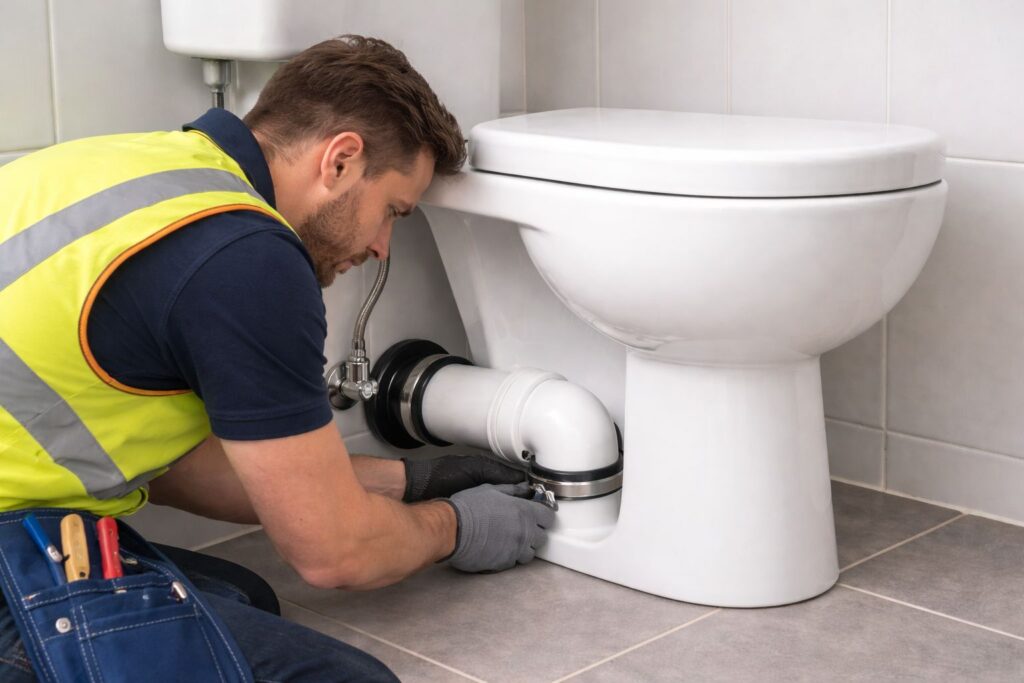
If you want peace of mind, working with an experienced plumber is the safest option. Civic Plumbing provides professional toilet and sewer pipe connections across Sydney, ensuring all work meets Australian standards and compliance requirements.
Frequently Asked Questions
Is it legal to connect a toilet to a sewer pipe yourself in Australia?
No. Toilet installation is regulated plumbing work and must be completed or certified by a licensed plumber.
What happens if a toilet is connected incorrectly?
Leaks, sewer odours, blockages, health risks, failed inspections, and insurance issues can occur.
Do older homes need special sewer connectors?
Yes. Older pipe materials and layouts often require specialised fittings and assessment.
How do plumbers check that the connection is correct?
Licensed plumbers test for leaks, alignment, airflow, and proper wastewater flow.
Can poor sewer connections cause blocked drains?
Yes. Incorrect alignment or sealing is a common cause of recurring blockages.
Need Help Connecting a Toilet to a Sewer Pipe?
If you’re planning a toilet installation or experiencing sewer issues, Civic Plumbing offers licensed, compliant plumbing services across Sydney. Our team ensures every toilet-to-sewer connection is safe, legal, and built to last.
Call 0410 790 630 to book a licensed plumber or request expert advice.


