- We're are currently open!
 5 - Star Service
- Call our number today!
0410 790 630
5 - Star Service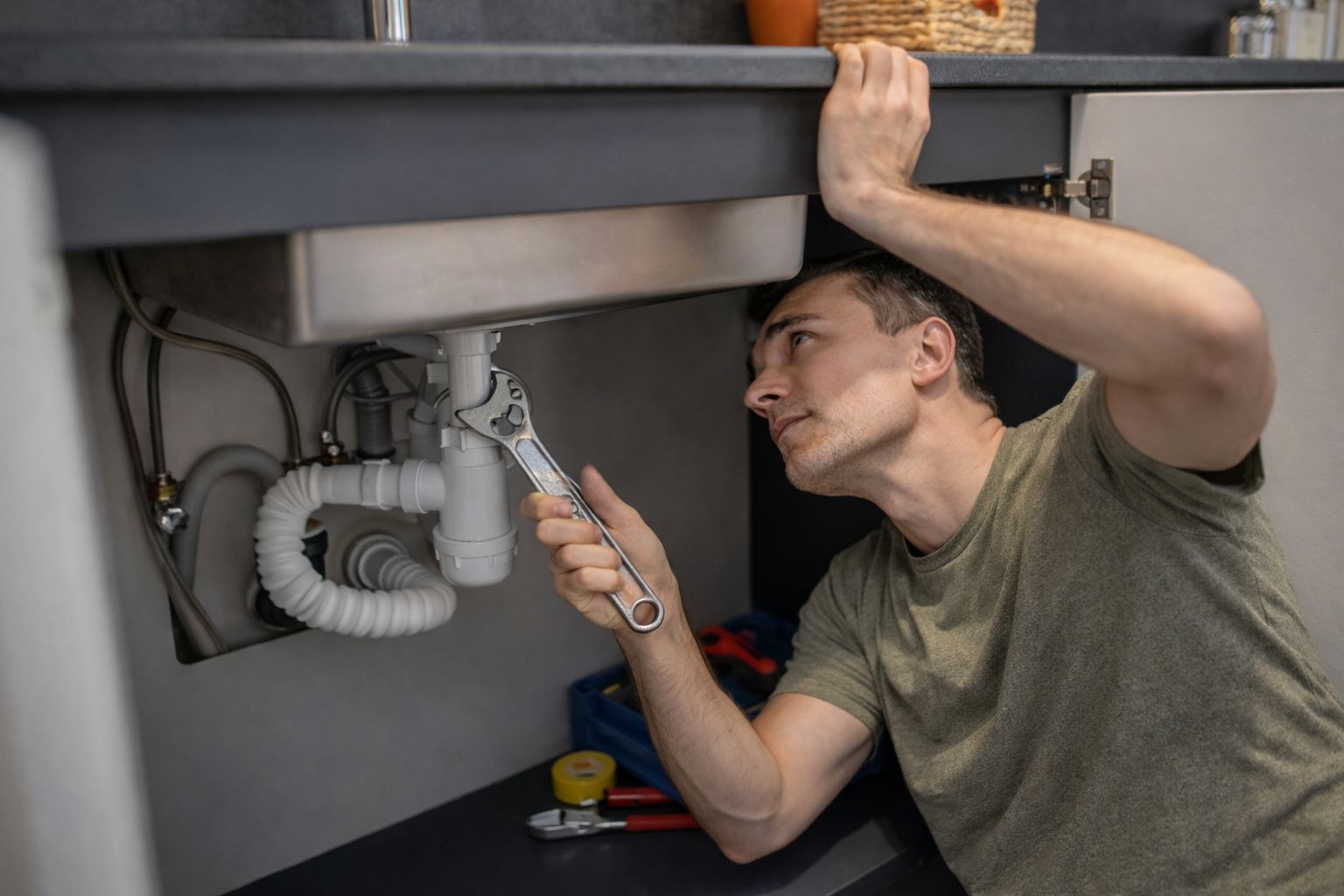
Many homeowners tackle DIY plumbing to save money and sort out minor issues quickly. While some basic tasks are safe to handle, others can lead to costly damage if done incorrectly. Understanding the limits of DIY plumbing helps protect your property, avoid code violations, and prevent unnecessary emergencies.
In this guide, we’ll explain what you can safely manage at home and when it’s time to call a licensed plumber.
DIY plumbing covers minor repairs and maintenance tasks that homeowners can complete without professional help. These tasks usually involve simple fixes that do not require specialised tools or interfere with major water, gas, or drainage systems.
However, Australian plumbing regulations require licensed professionals for most installation and repair work involving pipes, gas fitting, and drainage systems. Attempting complex plumbing without proper licensing can void insurance and lead to safety risks.
Some home plumbing jobs are relatively low-risk when you take the right precautions.
Minor sink or shower blockages caused by hair or debris can often be cleared with a plunger or drain snake. Avoid chemical cleaners, as they may damage pipes.
For recurring blockages, professional blocked drains services using high-pressure water jetting may be necessary.
A dripping tap is usually caused by a worn washer. Replacing it is a simple job that can reduce water waste and lower bills.
Most toilet problems come down to worn flapper valves or faulty float mechanisms. Basic repairs may resolve the problem, but persistent leaks require professional toilet repairs.
Mineral buildup can restrict water flow. Soaking shower heads in vinegar can restore pressure safely.
While small repairs are manageable, certain jobs should always be left to licensed plumbers.
Burst pipes can cause significant water damage within minutes. Immediate professional repair prevents structural damage and mould growth.
If underground pipes are cracked or damaged, pipe relining requires specialised equipment and expertise. This is not a DIY job.
Gas appliance installation and repairs must always be completed by licensed gas fitting professionals to ensure safety and compliance.
Hot water systems involve pressure valves, gas connections, and electrical components. Incorrect repairs can be dangerous and void warranties.
Commercial plumbing systems are more complex and regulated. Businesses should rely on qualified professionals to avoid compliance issues and downtime.
Attempting complex plumbing work yourself can lead to:
Small mistakes often turn into expensive repairs when not handled properly.
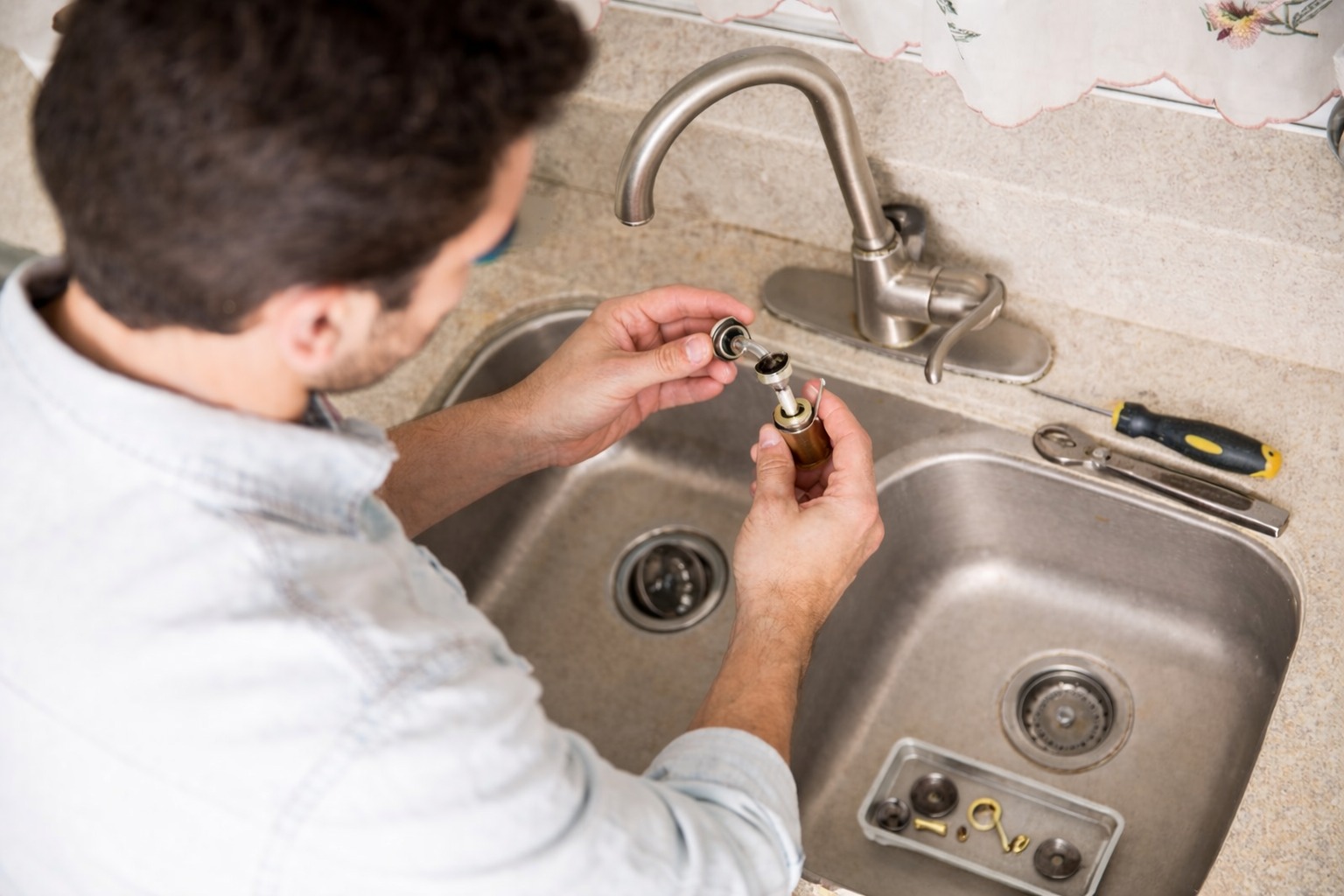
If you notice recurring blockages, low water pressure, hidden leaks, hot water failures, or gas concerns, it’s best to call a licensed plumber immediately.
Professional plumbing services use tools such as CCTV drain inspections, high-pressure water jetting, and advanced leak detection to diagnose issues accurately.
Knowing when to stop DIY plumbing and call an expert protects your home and saves money long term.
Minor clogs can be cleared using basic tools, but repeated blockages may require professional drain cleaning or CCTV inspection.
Only minor maintenance tasks are allowed. A licensed professional must complete most plumbing and gas fitting work.
If your system is leaking, producing rusty water, or not heating properly, it may need professional repair or replacement.
Chemical cleaners can damage pipes and are not recommended for regular maintenance.
Turn off your main water supply immediately and contact a plumber to prevent further damage.
No. Licensed professionals must always perform gas fitting for safety reasons.
DIY plumbing can be helpful for minor maintenance, but it has clear limits. Understanding which jobs are safe to tackle and which require professional expertise prevents costly damage and safety risks. If you’re unsure about a plumbing issue or need expert assistance with blocked drains, hot water systems, pipe relining, gas fitting, or burst pipes, it’s always safer to call a professional.
For reliable plumbing services in Sydney, contact Civic Plumbing on 0410 790 630 for fast and professional support.
