-
Sorry! We're closed on weekends!
 5 - Star Service
- Call our number today!
0410 790 630

How to Install Hot Water Systems Safely and Correctly in Australia
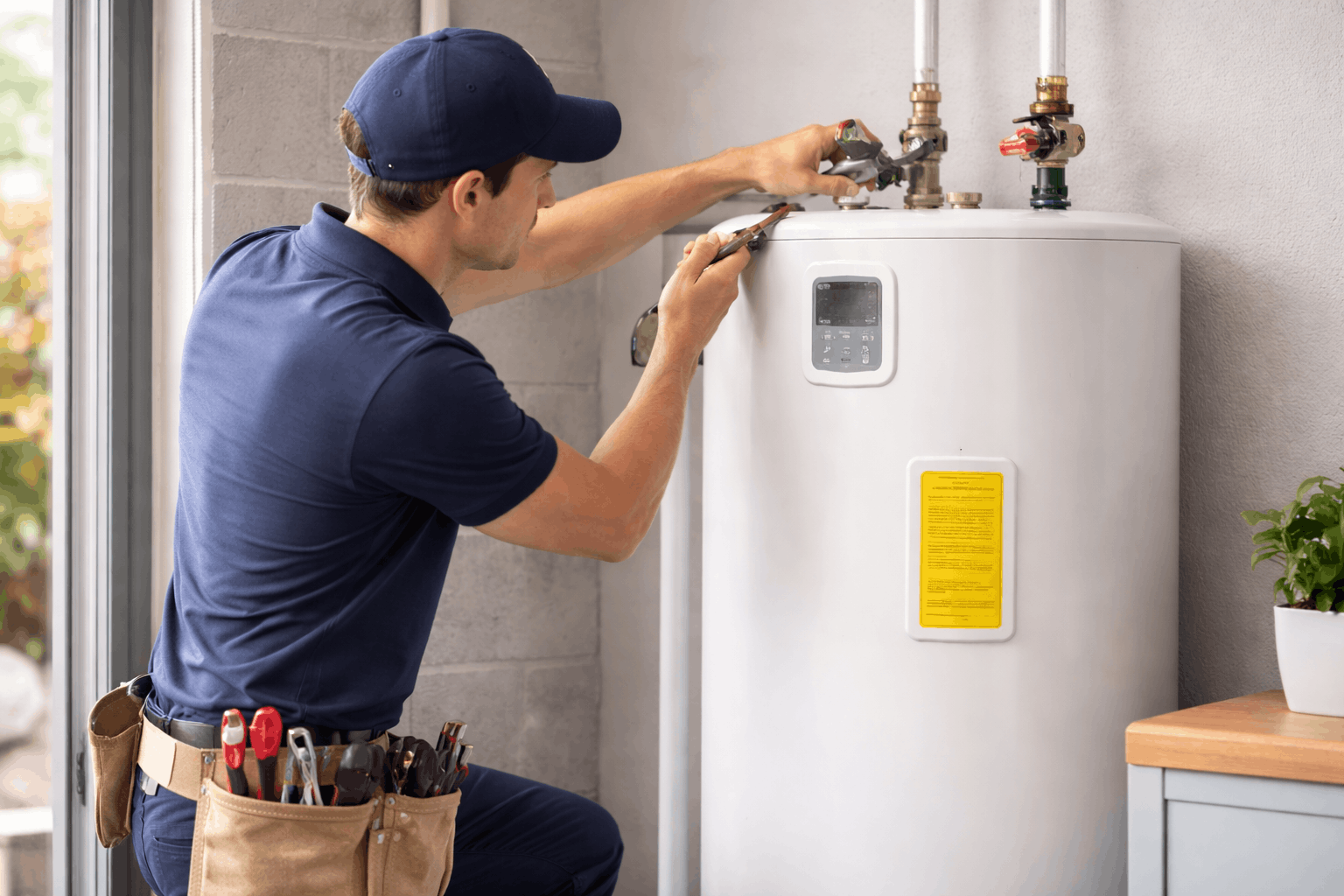
Hot water is essential for every home, from showers and laundry to kitchen use. While many homeowners search for how to install hot water systems, it’s important to understand that installation involves plumbing, gas, electrical, and safety compliance requirements under Australian regulations.
Before attempting any work yourself, it’s crucial to know what’s involved and when to call a licensed plumber.
Understanding Hot Water System Installation
Choosing the right unit is the first step in any hot water system installation. Australian homes typically use:
- Electric hot water systems
- Gas hot water systems
- Instantaneous (tankless) systems
- Solar hot water systems
Each system has different installation requirements, especially when gas fitting or electrical connections are involved.
In most cases, professional hot water system installation is legally required to ensure compliance and safety.
Step-by-Step Overview: How to Install Hot Water Systems
While licensed professionals should perform the installation, understanding the general process helps homeowners make informed decisions.
1. Select the Right System
Consider household size, water usage, energy efficiency, and available utilities. Larger families often require higher-capacity systems.
2. Turn Off Utilities
Before removing an old unit, the water supply, gas line, or electricity must be safely disconnected.
3. Remove the Old Unit
The existing system is drained and disconnected carefully to prevent water damage or gas leaks.
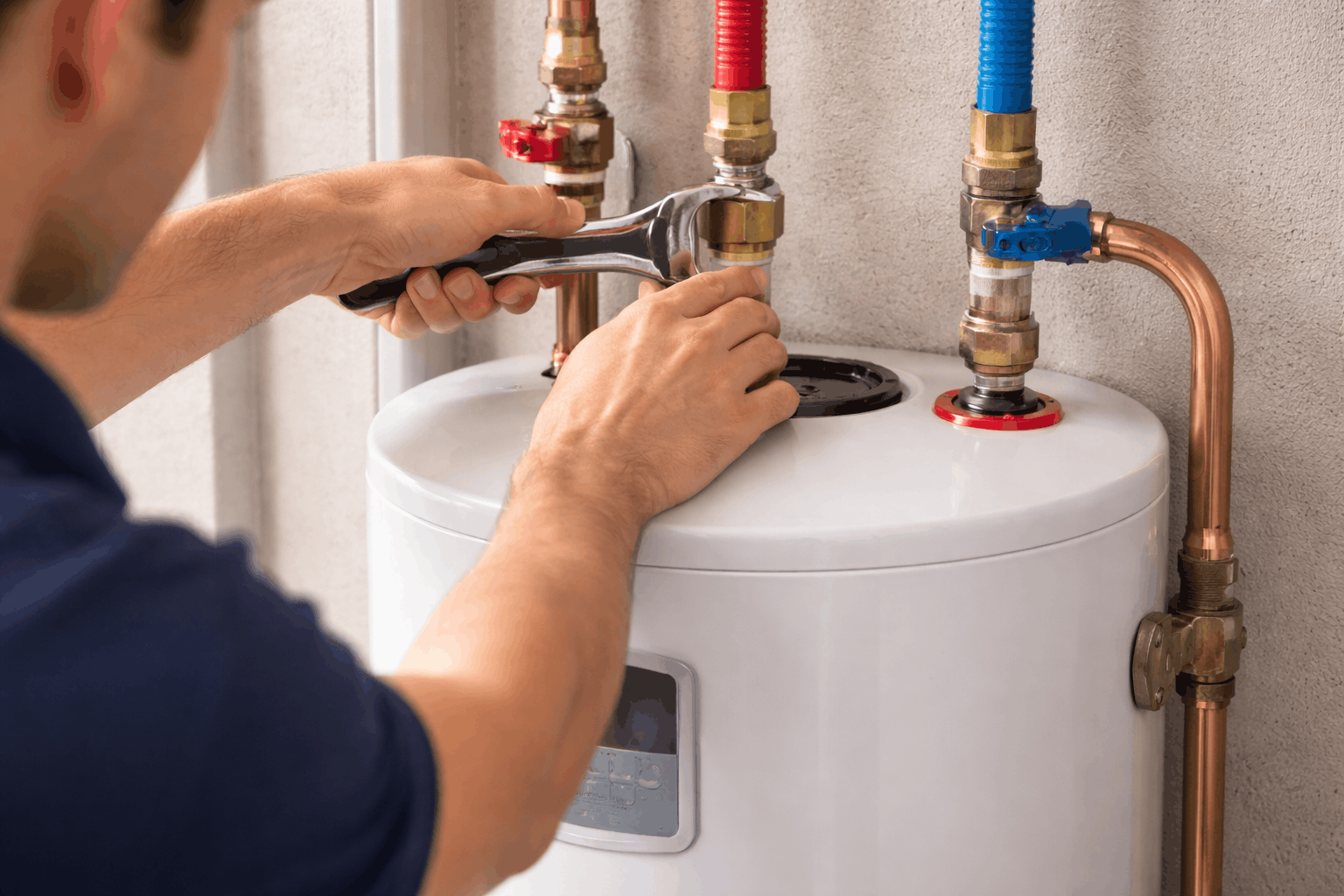
4. Install the New Unit
The new hot water system is positioned securely, connected to plumbing lines, and sealed properly. Gas or electrical connections must meet Australian standards.
5. Test and Commission
Once installed, the system is tested for leaks, pressure stability, and correct temperature settings.
A correctly installed hot water system ensures safe operation and long-term reliability.
Why Professional Installation Matters
Although DIY guides are widely available, installing a hot water system without proper licensing can void warranties and insurance.
Professional plumbers ensure:
- Correct pipe sizing and water pressure
- Safe gas fitting connections
- Compliance with local plumbing codes
- Proper drainage and overflow setup
Incorrect installation may lead to leaks, burst pipes, or reduced system lifespan.
Common Mistakes to Avoid
Many homeowners underestimate the complexity of hot water unit installation.
Common mistakes include:
- Incorrect system sizing
- Poorly sealed pipe connections
- Improper venting for gas systems
- Ignoring pressure relief valve requirements
- Skipping professional inspection
These issues can result in costly plumbing repairs later.
When to Replace Instead of Repair
Sometimes installation is required because the existing system has failed.
Signs you may need a new system include:
- Inconsistent hot water
- Rust-coloured water
- Leaking tank
- Frequent breakdowns
- High energy bills
If the issue is related to blocked drains or pipe damage, services such as CCTV drain inspection or pipe relining may also be recommended during replacement.
Ongoing Maintenance After Installation
Once your new hot water system is up and running, ongoing maintenance becomes equally important.
Regular servicing helps prevent:
- Sediment build-up
- Pressure issues
- Component wear
- Unexpected failures
Routine inspections by licensed plumbing services extend system lifespan and protect your investment.
FAQs About Hot Water System Installation
Can I install a hot water system myself?
In Australia, most installations require a licensed plumber and, for gas systems, a licensed gas fitting professional.
How long does installation take?
Most hot water system installations are completed within a few hours, depending on system type and site conditions.
What size system do I need?
System size depends on household size and water usage. A professional plumber can recommend the correct capacity.
Can blocked drains affect hot water performance?
Although they are separate systems, severe drainage issues can still impact overall plumbing performance and should be addressed promptly.
Is pipe relining required during replacement?
Pipe relining is only necessary if underground pipes are damaged or leaking.
How often should hot water systems be serviced?
Most systems should be inspected every one to two years to ensure optimal performance.
Get It Done Safely and Properly
Understanding how to install a hot water system helps you make informed decisions, but professional installation is essential for safety, compliance, and long-term performance. If you need reliable hot water system installation, gas fitting services, or plumbing support in Sydney, Civic Plumbing is here to help.
Call us on 0410 790 630 for expert advice and professional installation services.


