- Sorry! We are currently closed!
 5 - Star Service
- Call our number today!
0410 790 630
 5 - Star Service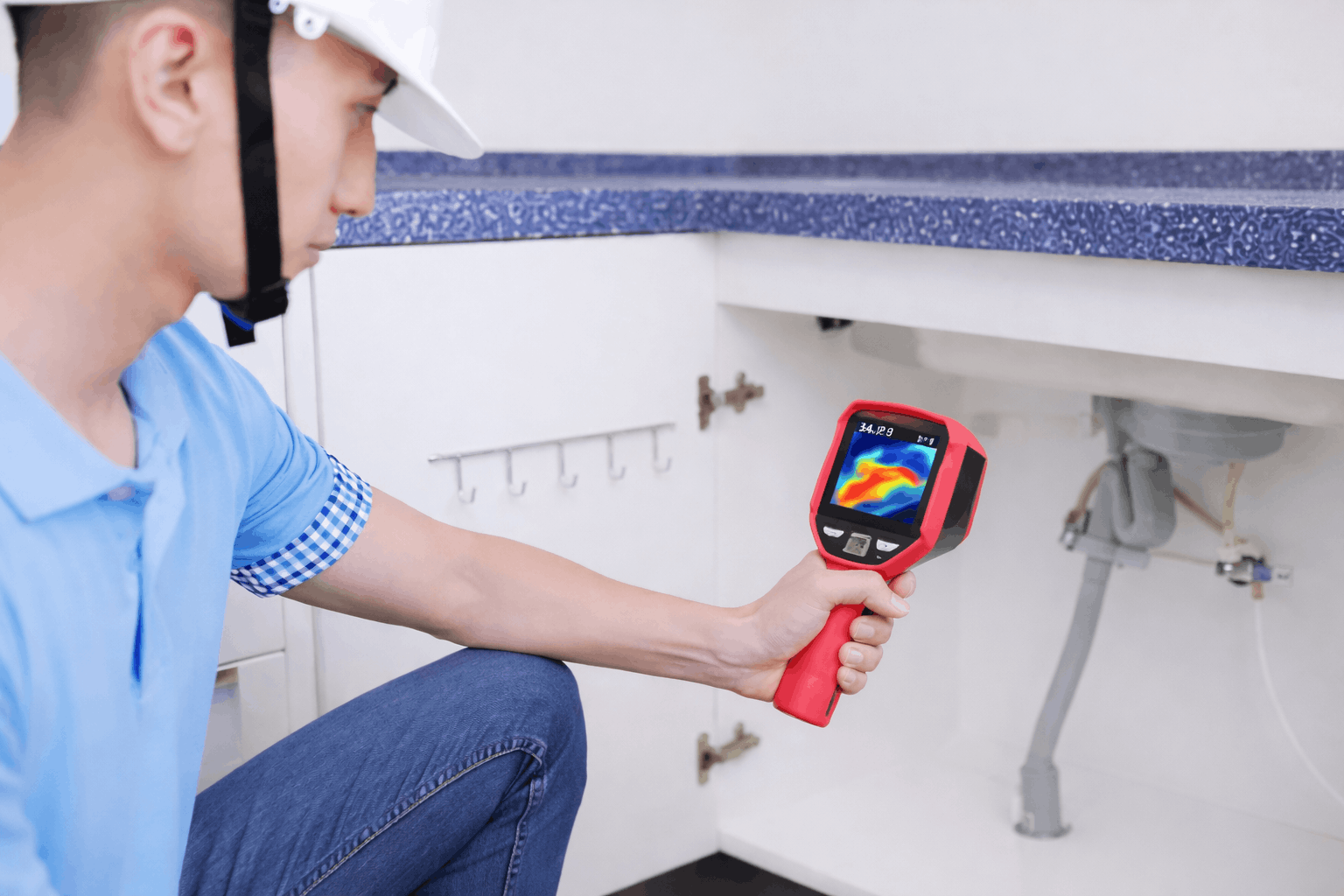
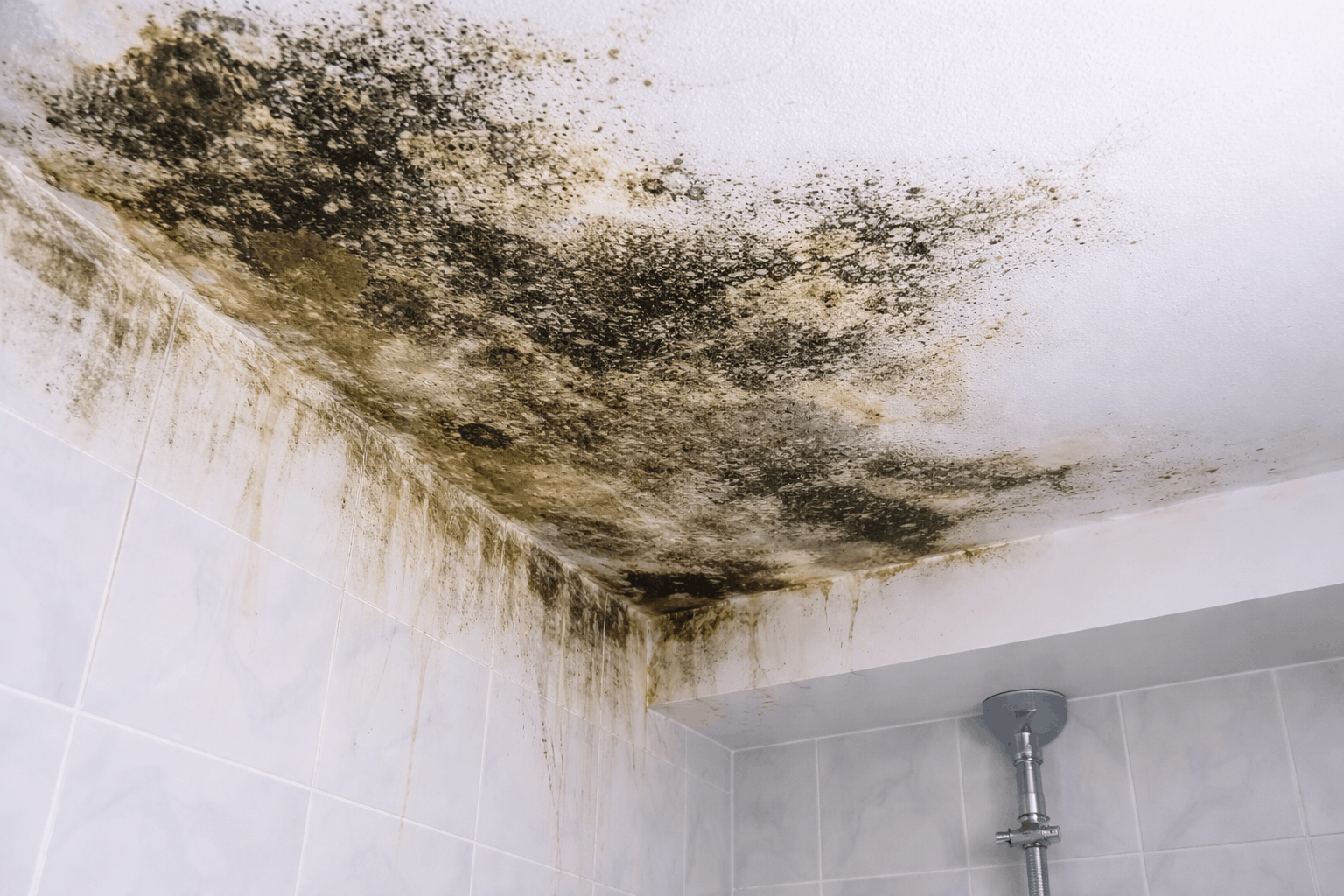
In the humid coastal climate of Sydney, mould is a persistent adversary for homeowners. While many associate mould with rising damp or poor ventilation, the most common and destructive catalyst is often hidden: plumbing leaks. A slow drip behind a laundry wall or a hairline fracture in a bathroom pipe provides the perfect environment for mould spores to colonise and spread.
Understanding the link between plumbing leaks and mould growth is the first step in protecting your property’s structural integrity and your family’s health. In this guide, we will explore how to identify hidden water issues, how mould develops in your home, and the preventative maintenance steps you can take to keep your home dry and safe.
Mould requires three things to thrive: moisture, a food source (like organic building materials), and a lack of airflow. Plumbing leaks provide the most critical component (moisture) in a constant, concentrated supply. Unlike a one-off spill, a leak ensures the material remains saturated, allowing mould to take hold within 24 to 48 hours.
In many Sydney homes, especially older terraces in Redfern or Paddington, pipes are encased in brickwork or tucked behind timber frames. This means a leak can exist for months before it becomes visible to the naked eye. By the time you see a dark spot on the ceiling or smell a musty odour, the mould colony has likely already established a significant foothold.
Prevention starts with vigilance. You don’t need to be a licensed plumber to spot the early warning signs of plumbing leaks. Keep an eye out for these red flags:
If your water usage habits haven’t changed, but your Sydney Water bill is climbing, you likely have a leak. Even a pinhole leak in a mains pipe can waste hundreds of litres of water a day, providing ample moisture for mould to grow under your floorboards.
Mould releases microbial volatile organic compounds (MVOCs) as it grows. If a room smells earthy or musty despite being clean and well-ventilated, there is almost certainly moisture trapped behind a wall due to plumbing leaks.
Wall paint and wallpaper act as a barrier. When water from a leaking pipe saturates the plasterboard from behind, the paint will begin to lose its adhesion. Look for bubbling, peeling, or yellow-brown staining on your walls and ceilings.
In bathrooms and kitchens, plumbing leaks often manifest underfoot. If your timber floorboards are cupping or your carpets feel slightly damp near the skirting boards, you may be dealing with a toilet pipe leak repair issue or a failing shower seal.
To effectively prevent mould, you must focus your attention on the areas of the home where water is most active.
Bathrooms are naturally humid, but they shouldn’t stay wet. Leaking toilets are often overlooked as a source of mould, but a leaking cistern or a faulty pan connector can allow water to seep into the floor. Similarly, failing grout or silicone seals can allow water to bypass the waterproof membrane, leading to severe mould growth within the wall cavity.
Under-sink areas are notorious for slow plumbing leaks. Faulty dishwasher connections, leaking P-traps, or cracked washing machine hoses often go unnoticed because they are hidden behind cabinetry. Regularly clearing out these cupboards to inspect the pipework is a vital part of routine plumbing maintenance for your home’s overall health.
Sometimes, the source of the moisture is a mystery. You might see the mould, but the pipes appear dry. This is where professional leak detection becomes invaluable.
At Civic Plumbing, we use non-invasive technology to find the source of the moisture without tearing down your walls. Using thermal imaging and acoustic sensors, we can see temperature differences in the walls that indicate water accumulation. Detecting and repairing leaks early using these tools is the most effective way to stop mould before it takes hold.
For older Sydney properties, recurring mould in the basement or lower floors is often caused by cracked underground clay pipes. When these pipes leak, the surrounding soil becomes saturated, and the moisture travels up into the building’s foundations through capillary action (wicking).
In the past, fixing this meant massive excavation. Today, pipe relining services allow us to fix these cracked pipes from the inside. By creating a seamless, waterproof barrier within the old pipe, we eliminate the source of the ground moisture, effectively “starving” the mould of its water supply. This trenchless method provides a long-term solution that cuts off the moisture at its source, protecting your home from the ground up.
While professional intervention is necessary for repairs, you can take these steps to minimise the risk of mould caused by plumbing leaks:
Mould is incredibly fast-acting. It typically begins to colonise on damp surfaces within 24 to 48 hours of moisture exposure. This is why it is critical to call for professional leak detection as soon as you notice a damp spot or a musty smell.
Yes. A small, persistent leak provides a constant source of moisture that allows mould to release spores into the air. This can lead to respiratory issues, allergies, and asthma flare-ups. Fixing plumbing leaks promptly is as much about health as it is about home maintenance.
In Australia, most insurance policies cover mould damage only if it was caused by a sudden and accidental event, such as a burst pipe. If the mould is the result of a long-term, slow leak that went ignored (lack of maintenance), your claim may be denied. Regular plumbing maintenance and pipe checks are essential.
A musty smell usually indicates that water is leaking behind the wall tiles or under the floor. Common culprits include a failing shower membrane or a toilet pipe leak repair that is needed at the pan connector. Professional tools are required to find these “invisible” leaks.
Absolutely. If your basement walls are damp and mouldy, it is often due to cracked external sewer lines leaking into the surrounding soil. Pipe relining services seal those cracks permanently, stopping the water from seeping through your foundations and into your home.
Mould is more than an aesthetic issue; it is a sign that your home’s plumbing system is failing. By staying vigilant for the signs of plumbing leaks and acting quickly when moisture appears, you can protect your property from expensive structural damage and health risks. From minor toilet repairs to advanced pipe relining, maintaining a dry environment is the key to a healthy Sydney home.
Don’t wait for the musty smell to take over. At Civic Plumbing, we specialise in fast, effective solutions to stop moisture at its source. Whether you need expert leak detection or urgent repairs for a burst pipe, our licensed team is ready to help.
Think you might have a hidden leak? Call us today on 0410 790 630 for a professional inspection.
