- Sorry! We are currently closed!
 5 - Star Service
- Call our number today!
0410 790 630
5 - Star Service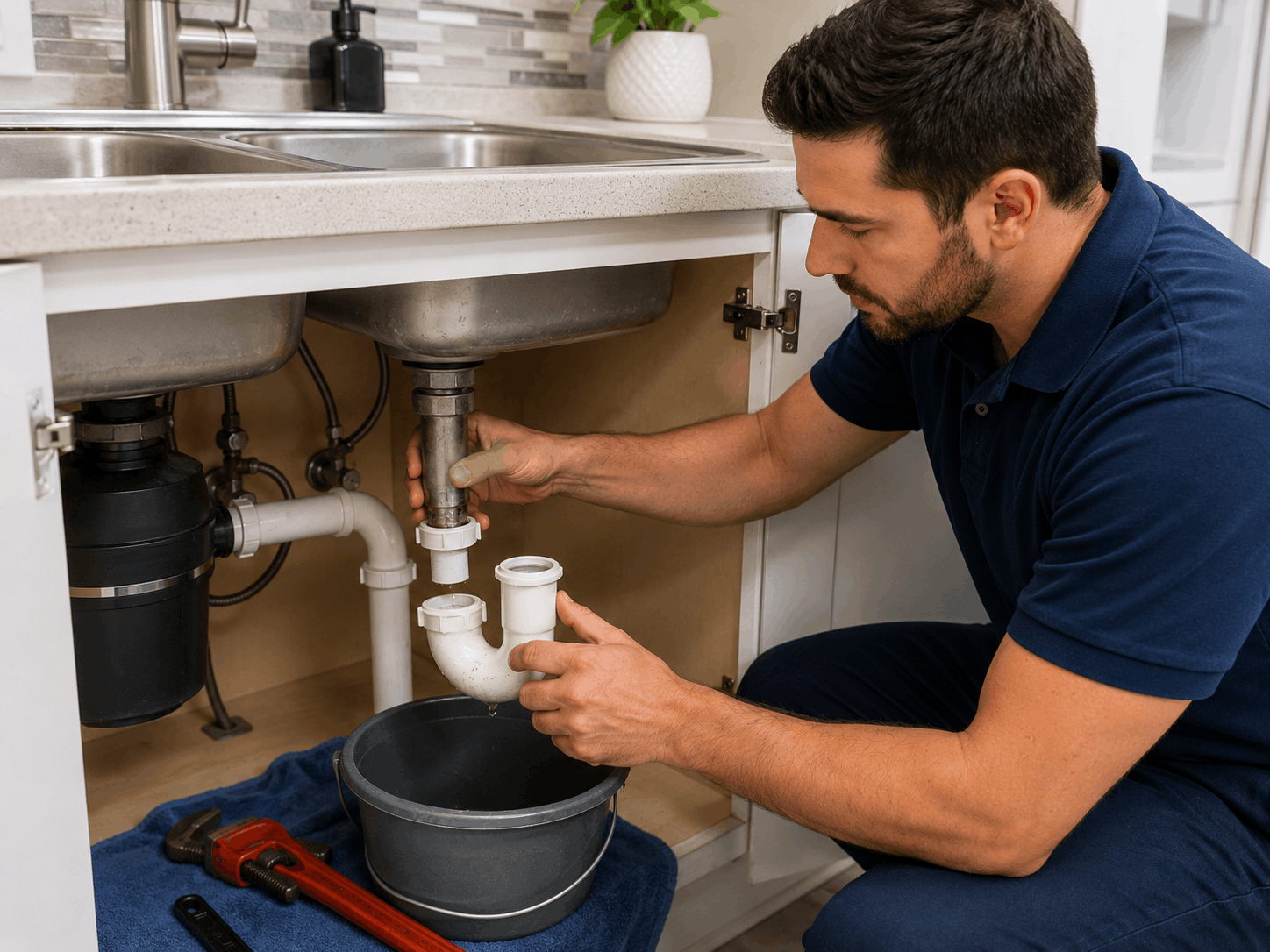
A slow-draining sink is one of the most common and frustrating household issues. Whether it’s a kitchen sink struggling with grease or a bathroom basin clogged with hair and soap scum, knowing how to clean sink drain pipes is a vital skill for any homeowner. Neglecting your drains doesn’t just lead to bad smells; it can result in structural damage, high-pressure bursts, and expensive emergency plumbing call-outs.
We will explore the best sink drain cleaning methods, provide actionable drain pipe cleaning tips, and explain why a proactive approach is the only way to keep your Sydney home’s plumbing in peak condition.
Before diving into how to clean sink drain pipes, you must understand what you are working with. Most sinks feature a “P-trap”, which is the U-shaped pipe underneath the basin. This pipe’s job is to hold a small amount of water to block sewer gases from entering your home. Because of its shape, it is also the most common place for debris to accumulate.
If you’re wondering how to clean sink drain pipes without immediately calling a professional, there are several effective DIY methods.
For minor grease buildup in a kitchen sink, the simplest method is often the best. Boiling water helps melt fats and move them through the system.
This is a classic kitchen sink drain cleaning technique that avoids harsh chemicals.
When you need to shift a stubborn blockage, a plunger is your first line of defence. Ensure you have a tight seal and use firm, vertical strokes to create the pressure needed to dislodge the mass.
Sometimes, surface-level cleaning isn’t enough. Here are deeper sink drain cleaning methods for when the clog is persistent.
If the water isn’t moving, the blockage is likely in the U-bend.
For clogs further down the line, a hand-cranked drain snake is essential. This tool can reach deep into the wall pipes to break up clogs that a plunger can’t reach. This is a common part of professional bathroom sink drain cleaning.
While supermarket drain cleaners are marketed as an easy fix for blocked sinks, they are often more trouble than they are worth.
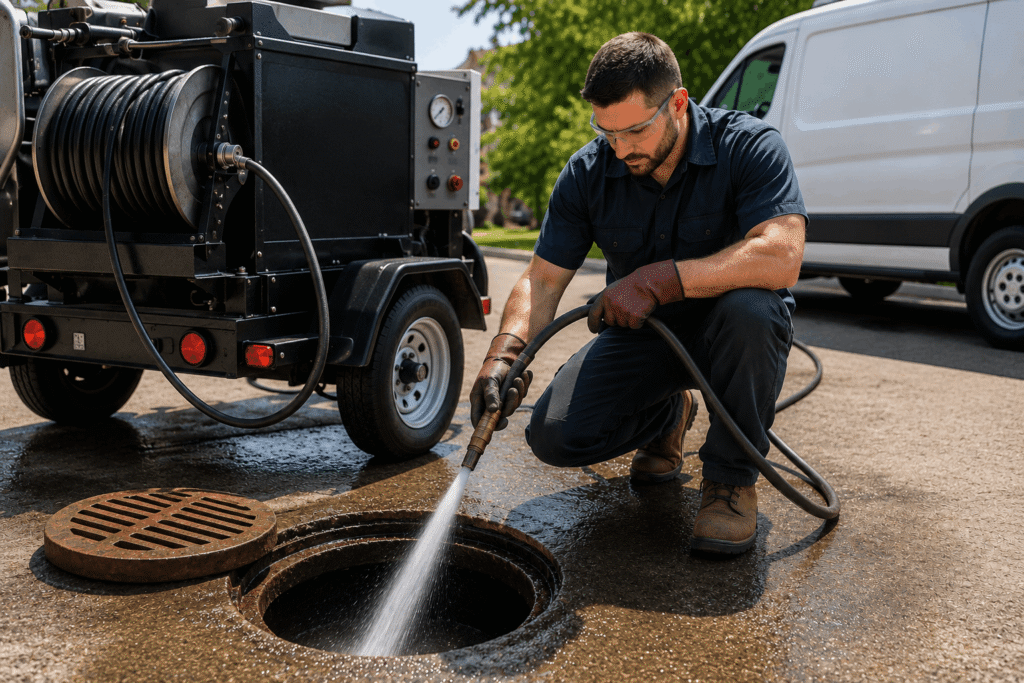
When DIY efforts fail, it’s a sign that the blockage is deep within your main lines or caused by structural issues like tree roots. In these cases, the approach shifts towards heavy-duty professional equipment.
At Civic Plumbing, we don’t guess. We use high-definition cameras to see exactly what is causing the blockage. This allows us to determine if you need a simple clean or more advanced pipe relining services.
This is the “gold standard” for kitchen sink drain cleaning. Using high-pressure water, we scrub the internal walls of your pipes, removing every trace of grease and scale. It’s like a car wash for your plumbing.
The best way to clean sink drain pipes is to ensure they never get dirty in the first place.
If your sink keeps getting clogged despite how much you clean it, you may have a cracked or collapsed pipe. In the past, this meant digging up your kitchen floor. Today, we offer pipe relining, a trenchless technology that creates a new, root-proof pipe inside your old one. It is the permanent solution for unclogging sink drain pipes in Sydney’s older homes.
Don’t wait for a total backup. Look for these signs that you need a bathroom sink drain cleaning service:
The most effective DIY method for kitchen sink drain cleaning is the baking soda and vinegar “fizz” followed by a boiling water flush. However, for a deep, long-lasting clean, professional hydro-jetting is the gold standard, as it removes 100% of the grease and biofilm that DIY methods leave behind.
Boiling water is great for melting grease in metal pipes. However, if your bathroom sink has older plastic (PVC) pipes or thin seals, it is safer to use hot tap water rather than boiling water to avoid warping the joints or causing a leak.
If multiple drains in your house are gurgling or backing up simultaneously, the issue is likely a main line blockage. We use CCTV drain inspections to confirm if tree roots have breached your pipes, which usually requires pipe relining services rather than a simple clean.
A wire hanger can work as a temporary fix for bathroom sink drain cleaning to pull out hair clumps near the surface. However, be careful not to scratch the porcelain or push the clog deeper. For deeper blockages, a professional drain auger is a safer tool to clear the pipe properly.
A lingering smell often means the P-trap has dried out (common in guest bathrooms) or there is decomposing organic matter stuck to the pipe walls. Drain pipe cleaning tips, like a monthly baking soda flush, can help, but a professional high-pressure clean is the only way to remove the odour-causing bacteria entirely.
Knowing how to clean sink drain pipes is about more than just convenience; it’s about protecting your home’s infrastructure. While DIY methods like plungers and natural cleaners are great for minor maintenance, they cannot replace the expertise and equipment of a licensed professional.
At Civic Plumbing, we specialise in all forms of sink and drain cleaning. From the delicate bathroom sink drain cleaning required in heritage homes to the heavy-duty kitchen sink drain cleaning needed for commercial properties, our Sydney-based team has the tools to get your water flowing again. We provide upfront pricing, 24/7 emergency support, and a commitment to quality that has made us Redfern’s most trusted plumbers.
Ready for a permanent plumbing solution? Call us today on 0410 790 630 for expert service you can trust.



