- Sorry! We are currently closed!
 5 - Star Service
- Call our number today!
0410 790 630
5 - Star Service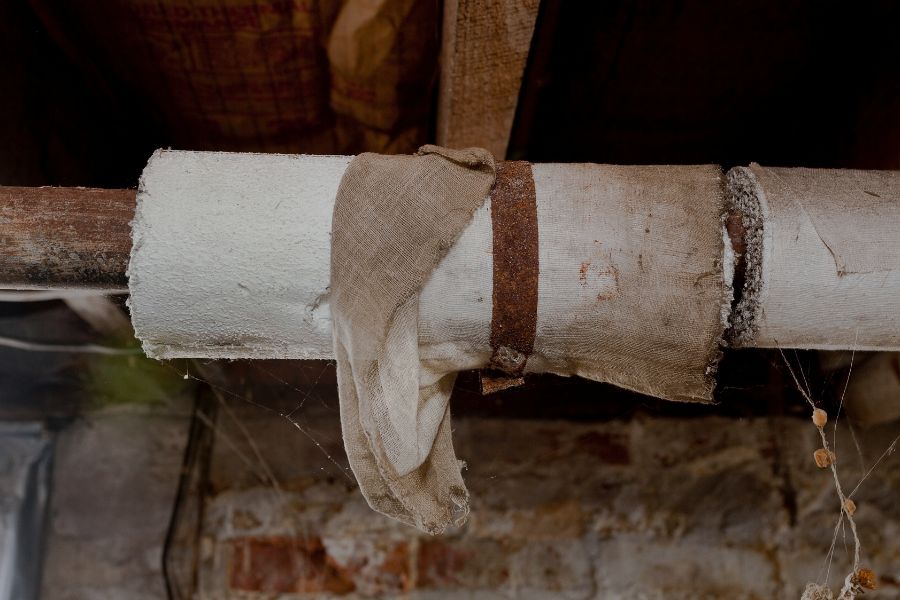
Buying, renovating, or maintaining a home in Sydney is rewarding, but older properties come with hidden risks that aren’t always obvious. While many property owners can spot the warning signs of ageing fixtures or structural foundation shifts, a far more serious hazard often hides behind plasterboard walls and beneath garden beds: asbestos in plumbing.
For much of the 20th century, Australia was one of the highest consumers of asbestos-containing materials (ACMs) per capita in the world. Valued for its strength, fire resistance, and insulating properties, asbestos was widely used in both residential and commercial building products. The national ban on all forms of asbestos came into full effect in December 2003, and current data shows that approximately one in three Australian homes still contains asbestos.
While asbestos cement sheeting in eaves and wet area walls is widely known, the presence of asbestos within drainage networks, water supply lines, and hot water insulation is frequently overlooked. When disturbed, asbestos poses a serious health risk to both occupants and tradespeople.
In this guide, we cover how to identify legacy asbestos in your plumbing, why these ageing networks fail, and what’s involved in safe inspection, pipe relining, and asbestos pipe removal.
To understand where these materials come from, it helps to understand the historical context of Sydney’s suburban development boom. The type of pipe infrastructure present in a home is closely tied to the decade the property was built or significantly renovated.
From the late 1920s through to the late 1980s, major manufacturing brands like James Hardie (producing Fibrolite pipes) and Wunderlich-Hume dominated the Australian market. Asbestos fibres, predominantly chrysotile (white asbestos) but often mixed with amosite (brown asbestos) and crocidolite (blue asbestos), were blended with Portland cement from the 1950s through to the 1960s.
This formulation created incredibly tough, lightweight, and corrosion-resistant conduits. These asbestos cement pipes were heavily deployed across municipal water distribution grids, residential sewer drop stacks, stormwater lines, and hot water insulation systems.
Asbestos in household systems generally falls into two distinct safety categories: non-friable (bonded), where the mineral fibres are tightly bound within a solid cement matrix, and friable, where the material is loose, powdery, or easily crumbled by hand pressure. Both pose severe structural and respiratory hazards if cut, drilled, or broken during standard home renovations.
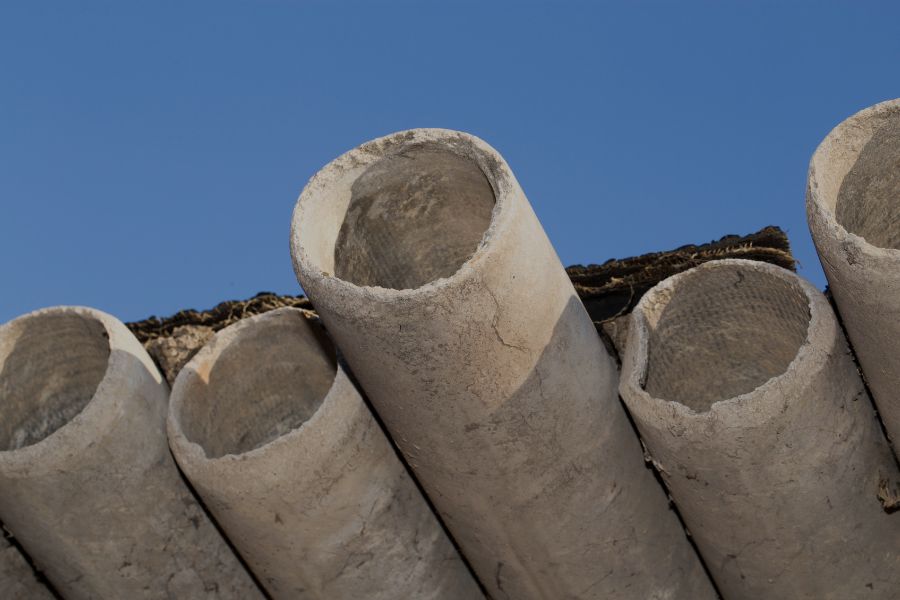
For established properties built before 1990, the primary underground drainage network often uses asbestos cement pipes. These pipes have a distinct light grey colour, a thick wall, and a slightly rough, fibre-speckled exterior that can easily be mistaken for standard sand-cement or unpainted concrete lines.
Over decades, these buried lines can suffer from soil movement and tree root intrusion, leading to pipe fractures that require professional inspection.
This represents one of the most hazardous forms of legacy materials found in residential settings. In older homes featuring early-generation central heating systems or legacy hot water cylinders located in basements, sub-floors, or ceiling cavities, the hot water lines were often wrapped in thick, fibrous insulation known as pipe lagging.
This material can look like corrugated cardboard wrapping, dense white plaster cloth, or woven textile tape. Because it is highly friable, any physical disturbance, tearing, or deterioration can release microscopic asbestos fibres into the indoor air.
Look inside the service cupboards, roof cavities, or along the external brick facades of pre-1990 apartment blocks and homes, and you will frequently spot vertical pipes extending up through the roofline.
These vent stacks and heating flues were almost exclusively manufactured from bonded asbestos cement. These pipes hold up well against weather exposure but become brittle with age, making them prone to cracking or shattering if hammered or cut during renovations.
While internal residential supply lines have traditionally relied on copper or galvanised iron, the main sub-surface link running from your municipal street boundary meter straight to the house entry point was occasionally laid using small-diameter asbestos water pipes.
These pressure lines are constantly subjected to high mains pressure. As the surrounding earth shifts, these ageing pipes are prone to sudden failure, requiring urgent attention from a licensed plumber.
You cannot definitively identify the presence of asbestos simply by looking at a pipe. While age, colour, and texture provide strong visual indicators, the only authoritative way to confirm its presence is through professional diagnostic protocols.
When dealing with subterranean networks, modern technicians never recommend blind excavation. Instead, a specialised plumber can insert a high-definition CCTV drain inspection camera down an accessible boundary trap or overflow relief gully (ORG).
As the camera travels through the line, it projects a high-resolution live feed onto a monitor. Experienced operators can identify the telltale inner walls of an ageing asbestos cement line, pinpoint root intrusion, and locate pipe failures without disturbing a single blade of grass.
If a renovation or pipe repair requires cutting into a suspect line, a certified material assessor must first extract a tiny physical sample using strict containment procedures. This sample is double-wrapped in heavy-duty builders’ plastic, completely sealed, and dispatched to a National Association of Testing Authorities (NATA) accredited laboratory. Chemists use polarised light microscopy to identify the mineral fibre composition within 24 to 48 hours.
Many homeowners ask: If my original pipes aren’t causing an active leak, can I just leave them alone? The answer depends on the pipe’s condition and how much serviceable life it has left.
Asbestos cement lines were originally engineered to deliver a safe working lifespan of roughly 40 to 70 years. Because the last of these pipes was laid in the late 1980s, the vast majority of these pipes are approaching or have already passed the end of their serviceable life.
Over decades of continuous service, the constant flow of acidic wastewater, soft municipal water, and shifting soil chemistry causes a process known as lime leaching. The calcium hydroxide matrix holding the cement together slowly dissolves, leaving the pipe walls softened, porous, and brittle.
As the structural wall thins, the pipe loses its mechanical strength and its ability to withstand standard high pressure. This leads to burst pipes, collapses, and blockages that can no longer be cleared by standard methods.
When managing an ageing asbestos pipe network, property owners generally have two distinct professional paths forward to restore their infrastructure:
| Operational Metric | Trenchless Pipe Relining (Encapsulation) | Professional Asbestos Pipe Removal & Replacement |
| Physical Disruption | Exceptionally Low (No digging or wall cutting required) | Moderate to High (Requires systematic excavation and structural access) |
| Safety Risk Profile | Minimal (Material stays completely undisturbed in the ground) | Controlled (Managed via strict exclusion zones and negative pressure containment) |
| Regulatory Approvals | Standard trade certification and plumbing logging | Strict SafeWork NSW notification and certified tipping mandates |
| Asset Lifespan Return | Creates a seamless, root-proof new pipe shell with a 50+ year lifespan | Brand-new PVC or copper lines providing complete long-term infrastructure renewal |
Yes, according to the World Health Organisation (WHO) and the NHMRC Australian Drinking Water Guidelines, there is no consistent evidence of elevated health risks associated with ingesting asbestos through drinking water. The human body eliminates swallowed fibres naturally. The real health risk comes from inhaling airborne fibres, which can cause asbestosis, lung cancer, and mesothelioma.
While NSW regulations allow homeowners to remove up to 10 square metres of non-friable (bonded) asbestos without a licence, this is strongly discouraged for plumbing work. Cutting, sawing, or hammering a brittle asbestos cement stack instantly shatters the material, creating hazardous airborne dust. To protect your family and neighbours, always engage certified specialists who follow the SafeWork NSW Code of Practice.
Trenchless pipe relining is a highly efficient, non-destructive repair method. The technician accesses the broken asbestos pipe via an existing opening, cleans the line using specialised hydro-jet equipment, and inserts a flexible fabric liner saturated with advanced epoxy resin. Once positioned, an internal bladder is inflated, forcing the liner tight against the old pipe walls. Once cured, the bladder is removed, leaving a rock-hard, root-proof new pipe shell directly inside the old line without disturbing the original material.
Licensed technicians follow strict containment protocols. The work area is completely isolated with heavy plastic sheeting, and warning signs are posted. The suspect pipes are thoroughly coated in water or PVA glue sprays to keep particles from becoming airborne. Workers wear disposable coveralls, gloves, and specialised half-face particulate respirators (compliant with AS/NZS 1716). All removed material is double-wrapped in thick builders’ plastic, sealed with structural duct tape, and transported to an EPA-approved waste facility.
Telltale indicators of structural pipe degradation include persistent slow-moving drains across multiple fixtures, recurring blockages that return weeks after being cleared, unexplained damp patches or unusually lush green patches of grass cutting across your lawn, or a sudden, unexplained spike in your quarterly water bill indicating a major underground water main leak.
Discovering or suspecting the presence of legacy asbestos within your water, drainage, or heating lines can be a stressful experience. However, managing this risk doesn’t have to disrupt your home or blow out your renovation budget. The key is avoiding risky DIY attempts and working with qualified, licensed tradespeople who understand current compliance requirements.
At Civic Plumbing, we have the diagnostic equipment, specialised training, and licensing required to manage legacy asbestos plumbing safely. From CCTV drain camera inspections to trenchless pipe relining and full asbestos pipe replacement, we handle the entire job safely and efficiently. We provide detailed, fixed-fee quotes before any work begins, so there are no surprise costs.
Don’t risk your family’s safety with uncertified modifications or hazardous cutting. Book a professional inspection today and get clear answers about your property’s plumbing.
Suspect you have ageing asbestos pipes or need an asbestos pipe removal quote? Contact Civic Plumbing today on 0410 790 630 to speak with a licensed local specialist or book an expert technical consultation.



