- We're are currently open!
 5 - Star Service
- Call our number today!
0410 790 630
5 - Star Service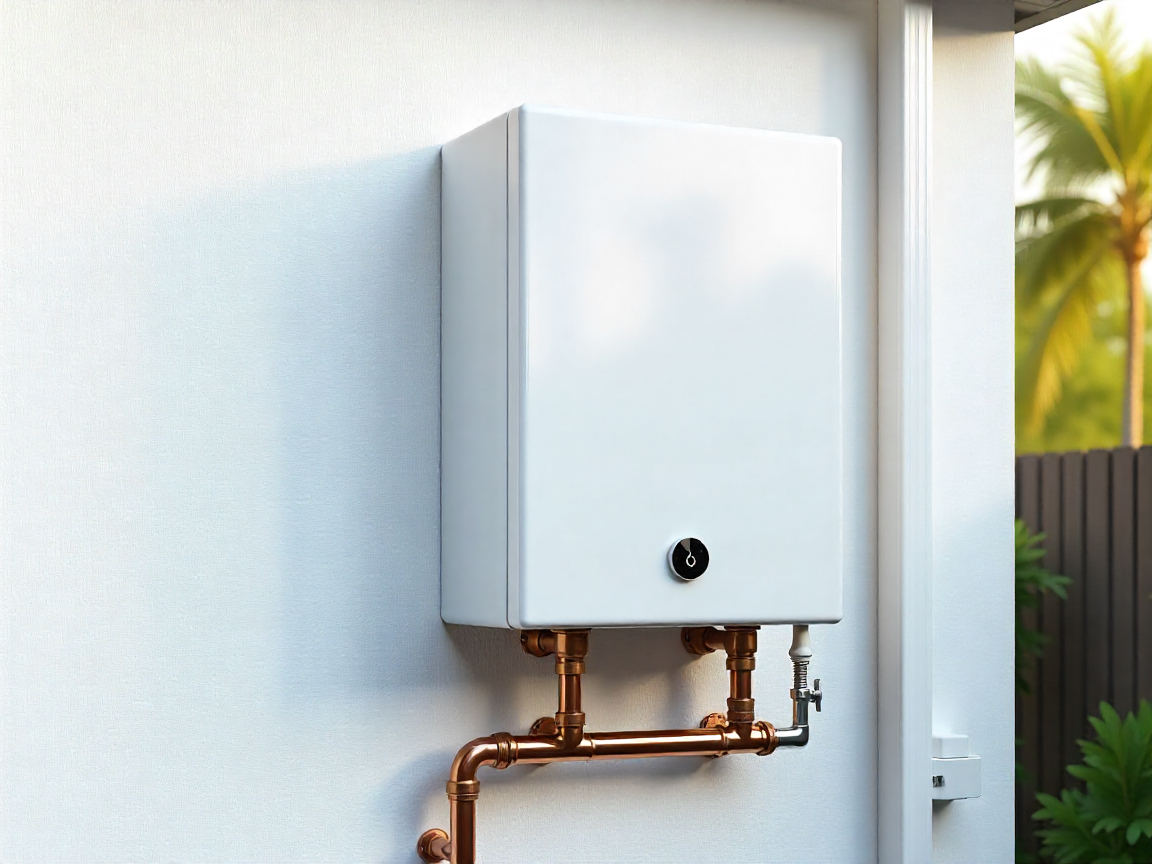
Instantaneous gas hot water clearances are a critical part of installing and operating gas hot water systems safely and efficiently. Also known as tankless or on-demand systems, these units heat water as it flows through the appliance, eliminating the need for a storage tank.
While instantaneous systems offer excellent efficiency and space savings, they must be installed with correct clearances to meet safety, ventilation, and compliance requirements. Incorrect spacing can lead to performance issues, safety risks, and failed inspections.
This guide explains what instantaneous gas hot water clearances are, why they matter, and what homeowners should understand before installation.
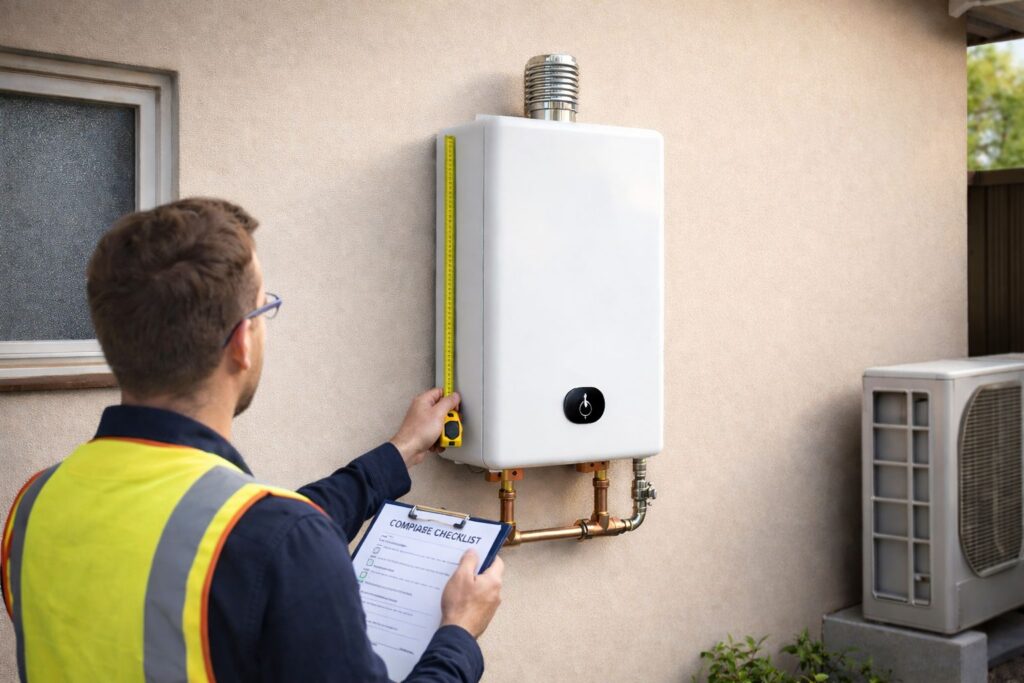
Clearances refer to the minimum distances required between a gas hot water unit and surrounding surfaces, objects, or structures. These distances allow for:
Clearance requirements vary depending on the manufacturer, model, and installation location, but they must always comply with Australian gas and plumbing standards.
Gas hot water systems generate heat and exhaust gases. Installing a unit too close to walls, ceilings, windows, or combustible materials increases the risk of overheating and fire. Correct clearances help prevent these hazards and ensure safe operation.
Restricted airflow can reduce efficiency and place unnecessary strain on the system. Adequate spacing allows the unit to operate at optimal performance levels, helping maintain consistent water temperature and lower energy usage.
Gas hot water systems require periodic servicing. If a unit is installed in a confined or inaccessible space, routine maintenance becomes difficult and costly. Clearances ensure technicians can safely inspect, service, and repair the system when required.
While exact measurements must always follow manufacturer instructions, clearance planning commonly considers:
A licensed plumber will assess the installation location and ensure all clearance requirements are met before commissioning the system.
When installed correctly, instantaneous gas hot water systems offer several benefits:
Clearance compliance plays a major role in achieving these benefits safely.
Instantaneous gas hot water systems must be installed by a licensed plumber who understands both gas safety and clearance requirements. Professional installation ensures:
Attempting DIY installation or ignoring clearance requirements can void warranties and create serious safety risks.
Even with correct installation, regular maintenance is essential. Homeowners should:
Maintaining clear access around the unit supports long-term safety and efficiency.
Clearances allow safe heat dissipation, proper ventilation, and access for maintenance while reducing fire risk.
No. Requirements vary by manufacturer and model. Always follow the specific installation manual.
Some systems are designed for compact areas, but minimum clearances still apply and must be assessed by a licensed plumber.
Yes. Restricted airflow can reduce efficiency and shorten system lifespan.
Licensed plumbers ensure compliance during installation and servicing, in line with Australian Standards.
Understanding instantaneous gas hot water clearances helps protect your home, improve system performance, and avoid costly compliance issues. Choosing the right unit and ensuring correct installation are essential for long-term reliability.
If you’re planning to install or upgrade an instantaneous gas hot water system in Sydney, Civic Plumbing provides licensed installation, compliance-focused assessments, and ongoing maintenance support. Call 0410 790 630 to speak with an experienced plumber to ensure your system is installed safely and correctly from day one.



