- Sorry! We are currently closed!
 5 - Star Service
- Call our number today!
0410 790 630
 5 - Star Service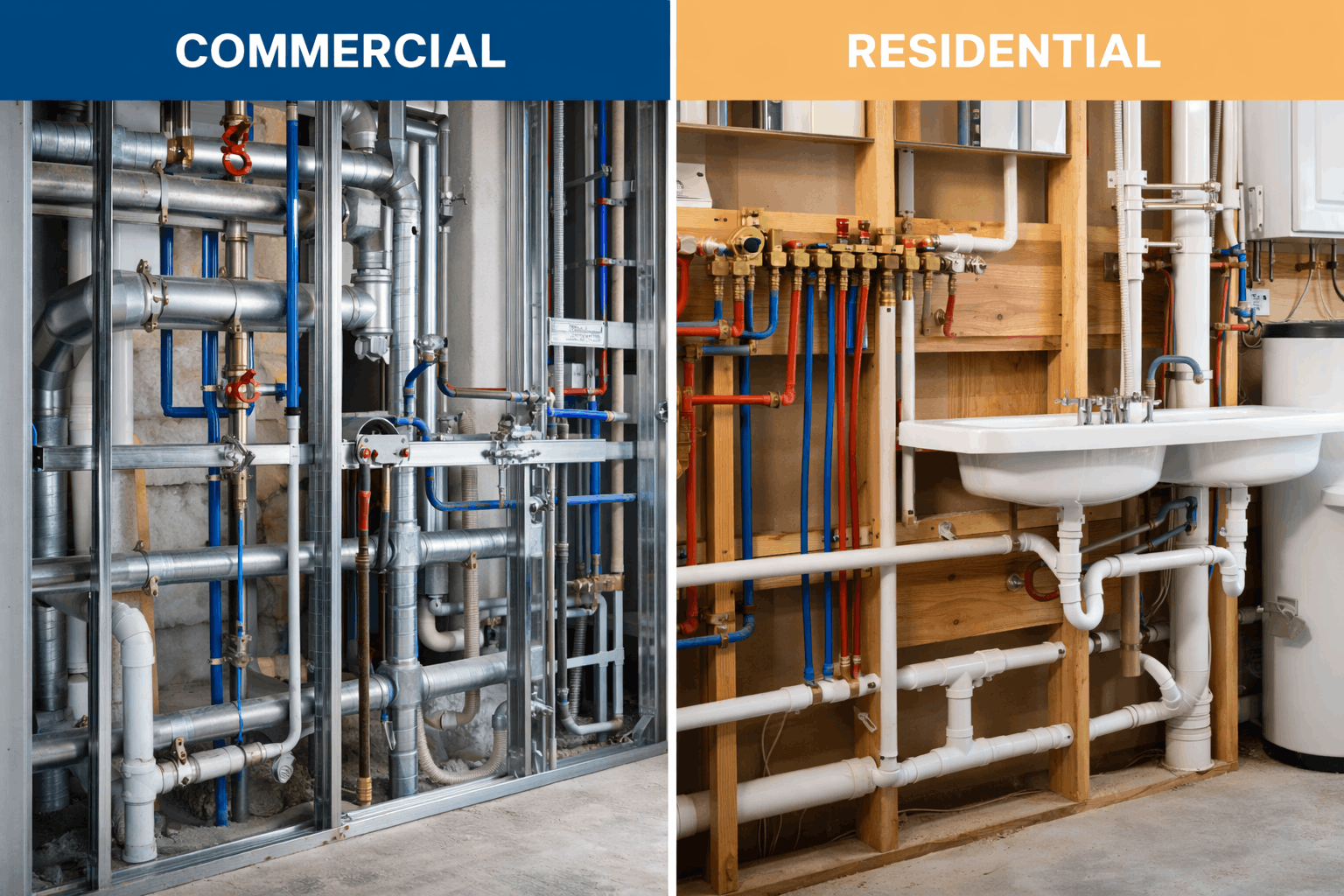
When it comes to maintaining water systems, many people assume all plumbing is the same. In reality, there are significant differences between commercial and residential plumbing systems, and understanding them can save you time, money, and a lot of headaches. Understanding these differences helps homeowners, business owners, and property managers make better decisions when choosing the right plumber.
In this guide, we will break down commercial vs residential plumbing, explain how each system works, and highlight why hiring the right professional matters for long-term results.
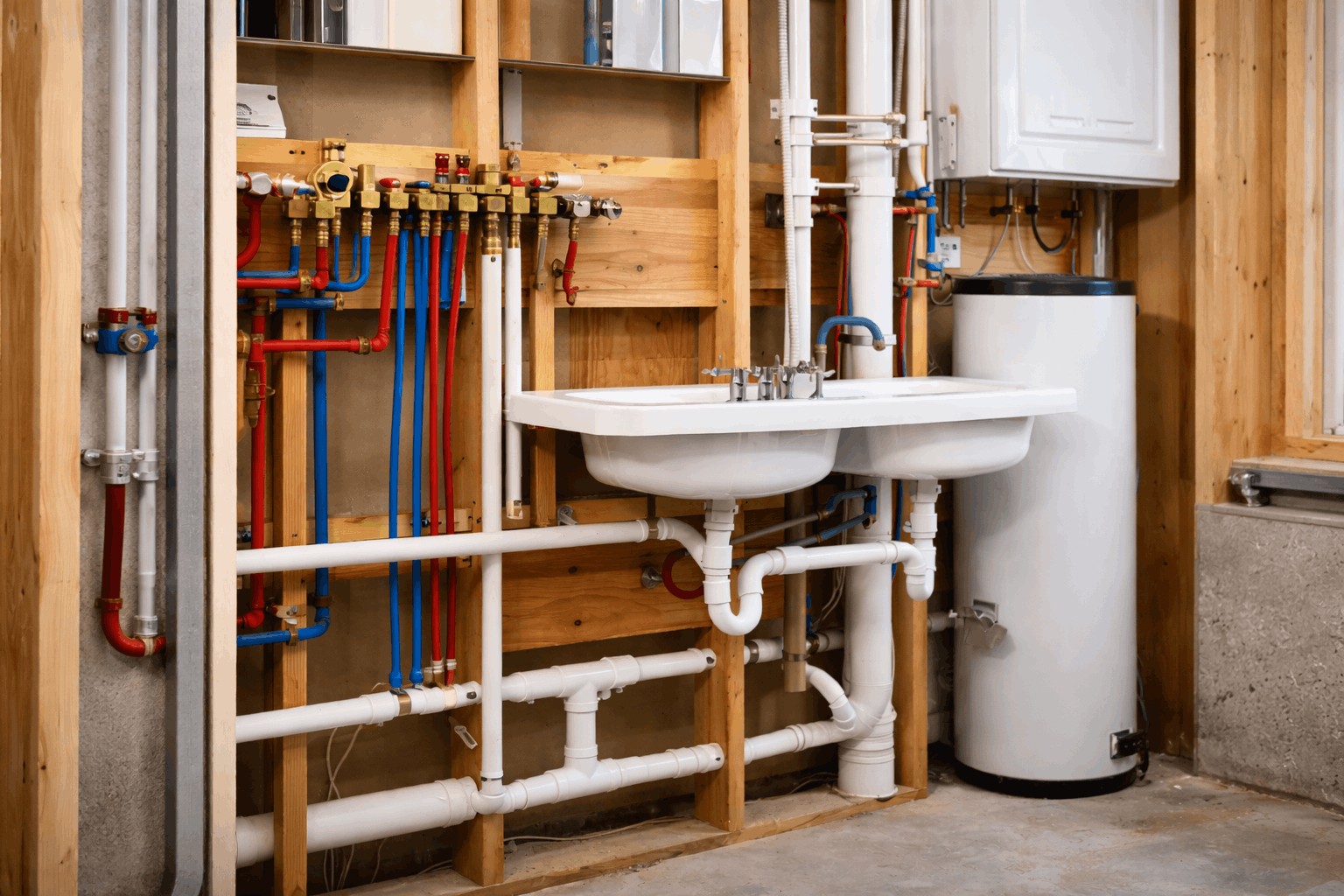
Residential plumbing refers to plumbing systems installed in homes, apartments, and small residential properties. These systems are designed to handle daily household needs such as cooking, cleaning, bathing, and sanitation.
Residential plumbing systems are generally simpler and include:
Most residential properties use standard pipe sizes and straightforward layouts, making repairs and installations relatively less complex.
Commercial plumbing is designed for larger-scale properties such as office buildings, restaurants, retail stores, and industrial facilities. These systems are more complex and must handle higher usage and stricter regulations.
Commercial plumbing systems include:
Because of the size and demand, commercial plumbing requires specialised knowledge, advanced tools, and compliance with strict building codes.
When comparing commercial vs residential plumbing, you must consider the “stress test” each system undergoes daily.
In a residential setting, the plumbing has significant downtime. Most families are away during the day, and everyone sleeps at night. The fixtures, including taps, toilets, and showerheads, are designed for intermittent use. A standard toilet repair in a home usually involves replacing a simple rubber washer or a plastic float.
In a commercial environment, the usage is relentless. In a busy Sydney cafe or a public transit hub, a toilet might be flushed 500 times a day. Commercial fixtures are made of industrial-grade materials like stainless steel or heavy-duty brass to withstand high-frequency use and potential vandalism. If a commercial system uses residential-grade components, they will fail within weeks, leading to constant blocked drains and costly downtime.
The methods used to maintain these two types of systems are as different as the systems themselves.
In a residential home, a leak is often signalled by a damp patch on the ceiling or a high water bill. Because residential pipes are usually buried under a lawn or behind a single layer of drywall, finding the source is relatively straightforward.
However, in commercial plumbing, leak detection is a high-tech endeavour. Pipes are often encased in thick concrete slabs, tucked inside elevator shafts, or buried under busy parking lots. Civic Plumbing uses acoustic sensors and thermal imaging to pinpoint leaks without having to tear up expensive commercial infrastructure.
For Sydney homeowners, pipe relining is a popular way to fix sewer lines damaged by tree roots without digging up a manicured garden. In the commercial sector, however, it is a business-saving technology. Imagine having to excavate the floor of a functioning warehouse or a busy restaurant to fix a collapsed pipe. The loss of revenue would be staggering. Commercial pipe relining allows us to create a “pipe within a pipe” during off-hours, ensuring the business remains open while the structural integrity of the drainage is restored.
The technology behind water heaters differs vastly between the two sectors.
Sydney’s vibrant hospitality scene relies heavily on specialised gas fittings. While a residential gas fitter might install a single cooktop or a fireplace, a commercial gas fitter is dealing with industrial-sized ovens, deep fryers, and high-pressure lines.
Commercial kitchens also face unique drainage challenges. They are required by law to have grease traps to prevent fats, oils, and grease (FOG) from entering the sewer. Without proper maintenance, fats and oils solidify inside the pipes, causing recurring blocked drains that can affect neighbouring properties and businesses. A residential plumber might not have the equipment or the licensing to certify a commercial grease trap installation, highlighting the importance of hiring a specialist.
One of the most overlooked aspects of commercial vs residential plumbing is the paperwork.
Residential plumbing is governed by standard building codes. Once the work is done and the compliance certificate is issued, the homeowner generally doesn’t have ongoing legal reporting requirements.
Commercial properties are different. They are subject to:
A burst pipe is a nightmare for anyone. However, the stakes are different.
If a pipe bursts in a residential home, the damage is personal and emotional. If a pipe bursts in a server room of a Sydney tech firm or the basement of a retail mall, the damage can run into the millions. Emergency plumbing for commercial clients requires a plumber who understands risk management, knowing which valves to shut off to save the equipment while keeping the rest of the building’s life-safety systems active.
Choosing between residential and commercial plumbing depends on your property type.
You need residential plumbing if:
You need commercial plumbing if:
Understanding commercial vs residential plumbing ensures you get the right expertise for your situation.
Regular maintenance helps avoid major plumbing issues.
Preventative care ensures your plumbing system remains efficient and reliable.
Residential plumbing serves homes with simpler systems, while commercial plumbing handles larger, more complex systems designed for high usage, strict regulations, and specialised equipment.
Commercial systems must support higher demand, larger buildings, and advanced infrastructure, requiring specialised tools, durable materials, and compliance with stricter safety and health standards.
Not always. Commercial plumbing requires specific training, licensing, and experience to manage complex systems, making it important to hire a qualified commercial plumbing specialist.
Residential systems need occasional maintenance, while commercial plumbing requires regular inspections, compliance checks, and servicing to ensure safety and uninterrupted operations.
Choose residential plumbing for homes and basic repairs, and commercial plumbing for businesses or large properties that require complex systems and ongoing maintenance.
Understanding commercial vs residential plumbing is essential when dealing with plumbing issues or planning new installations. While residential plumbing focuses on everyday household needs, commercial plumbing requires specialised expertise to handle larger systems and higher demand.
Choosing the right plumbing service ensures your system operates efficiently, safely, and in compliance with regulations. Civic Plumbing provides reliable solutions for both residential and commercial properties across Sydney. Whether you need repairs, maintenance, or installations, our experienced team is ready to help.
Call 0410 790 630 today to speak with one of our licensed plumbers and get fast, reliable service across Sydney
