- Sorry! We are currently closed!
 5 - Star Service
- Call our number today!
0410 790 630
5 - Star Service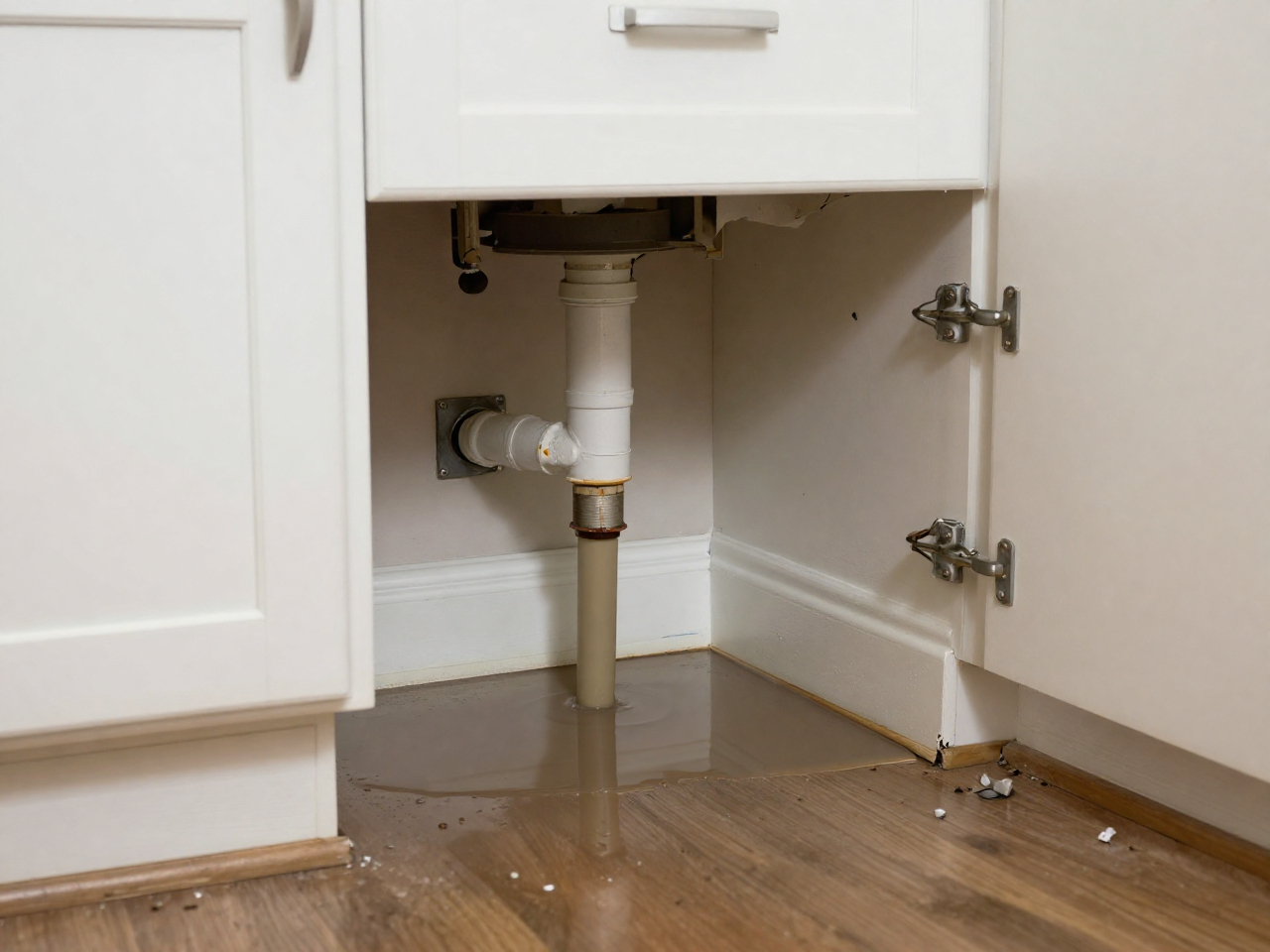
Few residential emergencies match the immediate panic and destructive potential of a ruptured plumbing line. Within minutes, thousands of litres of water can flood your living spaces, ruining carpets, warping timber floorboards, damaging electrical systems, and destroying plasterboard walls. When faced with a deluge, the immediate focus is naturally on damage control. However, preventing these catastrophic scenarios requires a deeper understanding of the causes of burst pipes.
Plumbing networks are largely hidden out of sight behind wall cavities, beneath concrete slabs, and under garden beds. Because they are invisible, they are frequently forgotten until a structural failure occurs. By educating yourself on why pipes burst, you can spot the warning signs early, implement preventative maintenance, and protect your most significant asset from severe water damage.
We’ll look at the primary burst water pipe causes, examine the mechanics of plumbing pipe damage, and explore the actionable steps Australian property owners can take to avoid a major plumbing disaster.
When considering what makes a plumbing line fail, many people imagine external impacts or structural flaws. However, one of the most prevalent pipe burst reasons comes from within: excessively high water pressure.
Water pressure in a residential plumbing system is measured in kilopascals (kPa). Under the Plumbing Code of Australia (AS/NZS 3500), the maximum compliant water pressure delivered to a residential property should not exceed 500 kPa.
When water pressure from the mains exceeds this safety threshold, which often happens in low-lying areas or overnight when household demand drops, it places continuous stress on your internal pipe network.
If your home’s water pressure is running too high, every plumbing joint, flexible braided hose, and tap ceramic disc is under constant stress. Eventually, the weakest point in the system, usually a soldered copper joint or an ageing flexible connector line under a kitchen sink, will give way entirely, resulting in a sudden, high-volume burst.
Corrosion is one of the leading causes of burst water pipes in older properties throughout established Australian suburbs. While modern homes predominantly use plastic composite lines (PEX) or highly durable copper, older properties frequently rely on galvanised iron or original-era copper pipework.
Galvanising involves coating steel pipes with a layer of zinc to prevent rust. Over several decades, this zinc protective layer naturally erodes. Once bare iron is exposed to oxygenated water, it oxidises, creating internal rust.
This rust doesn’t just restrict water flow and cause discoloured “rusty” water; it expands, thinning the structural walls of the pipe from the inside out until the metal becomes paper-thin and bursts under standard mains pressure.
Copper is highly resilient, but it is not completely immune to plumbing pipe damage. Certain water conditions, such as highly acidic water, high concentrations of dissolved oxygen, or chemical imbalances caused by overuse of harsh drain cleaning products, can trigger a specific form of localised corrosion known as pitting. This chemical reaction creates microscopic pinhole leaks that slowly seep behind walls before blowing out into a major fracture.
External forces are heavily represented among the causes of burst pipes, particularly within the drainage, stormwater, and main water service lines running underground through your garden.
Trees possess incredibly sensitive root systems designed to seek out subterranean moisture sources. Microscopic structural defects, tiny cracks in clay joints, or condensation on the exterior of an underground water line will attract nearby roots.
Once a fine root tip finds its way into a microscopic seam, it begins drawing on the moisture. As the root grows, it expands in diameter, exerting immense mechanical pressure on the pipe structure. Eventually, the root will completely shatter the pipe, creating a severe underground blockage and a burst water line.
Australia’s climate is characterised by extreme weather cycles, moving from prolonged droughts to torrential downpours. This fluctuating moisture level causes reactive clay soils to expand and contract dramatically.
As the earth shifts, it exerts massive bending forces on buried plumbing lines. If the pipes are rigid (such as older earthenware clay or degraded PVC), this soil movement will snap the line cleanly in half.
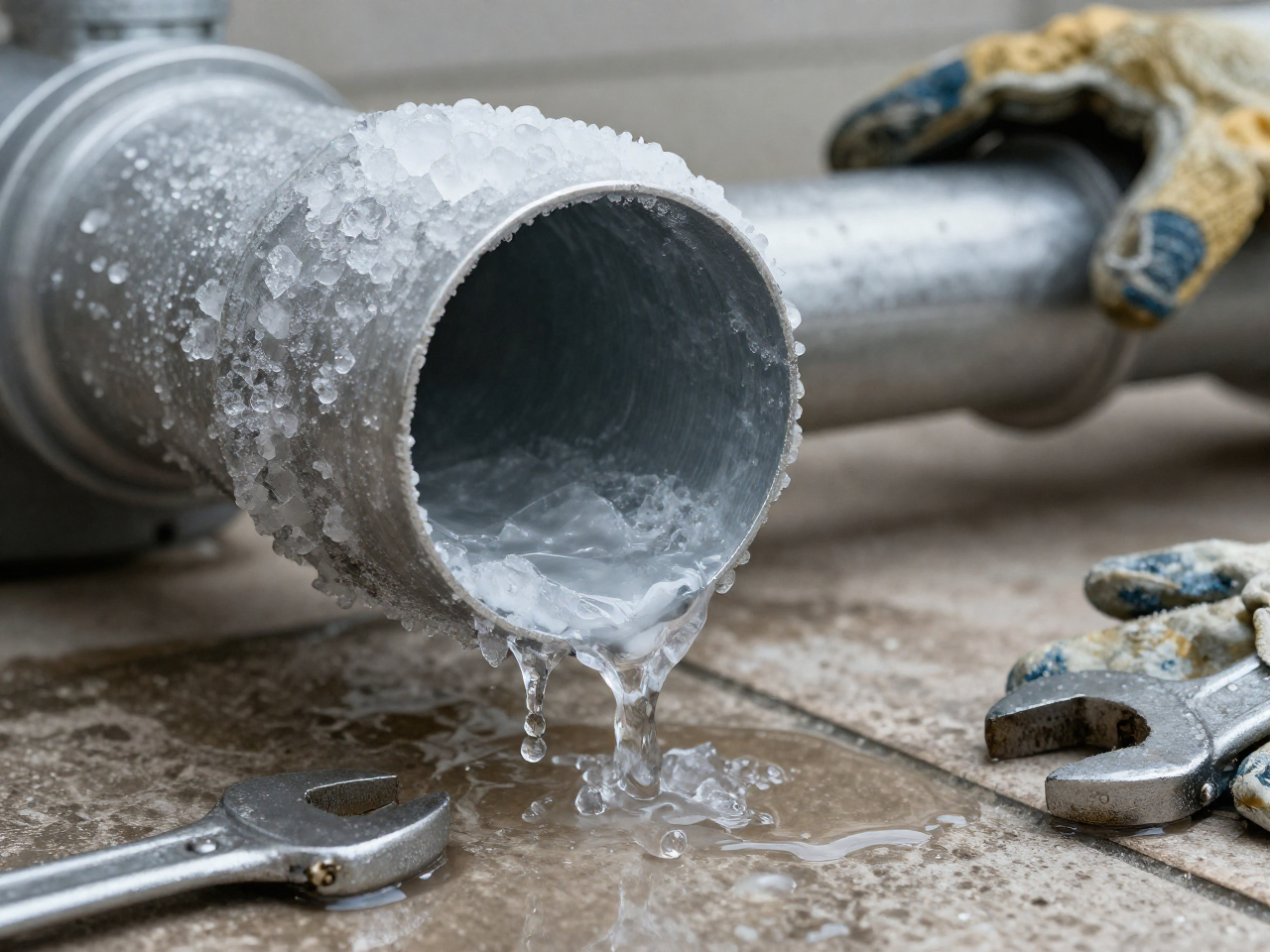
While Australia is generally celebrated for its warm climate, regional inland areas, alpine zones, and southern states experience severe winter drops where ambient temperatures plummet below freezing. In these conditions, a frozen pipe burst becomes a distinct danger.
Most liquids contract when they cool, but water is the exception. When water drops below 0 degrees and transforms into ice, its volume expands by approximately 9%.
When water freezes inside a sealed copper or plastic pipe, the expanding ice doesn’t simply push against the pipe walls at the point of freezing. Instead, the ice blockage acts as a solid piston, trapping the remaining liquid water between the ice block and the closed tap downstream.
As the ice continues to expand, it drives internal pressure to extreme levels, often exceeding 25,000 kPa. No residential pipe material can withstand this level of force. The pipe walls stretch and split open. Ironically, the homeowner rarely notices the leak while the line remains frozen; the true disaster manifests during the morning thaw, when the ice melts, and water pours out of the newly created rupture.
The final category of pipe burst reasons links directly to human error, substandard construction practices, or simple mechanical accidents.
Plumbing requires precise adherence to installation standards. If a technician fails to properly deburr a copper pipe after cutting it, the rough internal edge creates localised turbulence in the water stream. Over a period of years, this turbulent water acts like sandblasting, wearing away the inner wall of the copper elbow until a blowout occurs.
Similarly, if plastic PEX lines are kinked during installation or if securing clips are fastened too tightly, restricting the pipe’s natural expansion and contraction movements, the plastic will suffer structural fatigue and split.
Many causes of burst pipes occur instantly due to home renovation or gardening mishaps. Driving a nail through plasterboard to hang a picture frame without checking for structural lines can puncture a hidden plastic water pipe. Out in the yard, using a heavy garden fork, mattock, or mechanical excavator without checking underground service locations can instantly sever a main water service line.
The absolute best way to handle a burst plumbing line is to stop it from occurring in the first place. By working these preventive plumbing checks and system audits into your annual property maintenance routine, you can dramatically lower your risk profile:
The primary burst water pipe causes include excessive water pressure exceeding the Australian standard of 500 kPa, corrosion in older galvanised iron or copper lines, underground tree root intrusion, and accidental mechanical damage during renovations or gardening.
While a burst may seem sudden, it is usually the result of long-term structural fatigue. Chronic stressors like excessive water pressure or internal chemical corrosion wear down the pipe walls over several years until a minor pressure spike causes the weakened joint or section to blow out completely.
When plumbing networks operate above safe pressure limits, they place constant hydraulic stress on every connection and flexible hose. This structural fatigue causes joints to expand, thins copper elbow joints via internal turbulence, and eventually causes the weakest point in the system to split open.
Yes. While rare in coastal regions, a frozen pipe burst is a significant threat in alpine zones, inland regional areas, and southern states. When water inside exposed copper or plastic pipes freezes, it expands by 9%, trapping water and driving internal hydraulic pressure to levels that shatter the pipe material.
First, do not panic. Instantly locate your main water meter (usually near your front property boundary) and turn the isolation valve clockwise to the “OFF” position. Open your external garden taps to drain the remaining water out of the lines, then call a licensed plumber for emergency assistance.
A burst plumbing line is a stressful, chaotic event, but it is rarely a completely random occurrence. Whether triggered by the steady, damaging toll of excessive water pressure, the slow encroachment of invasive tree roots, or the seasonal danger of a frozen pipe burst, these failures are almost always the result of predictable physical and chemical stressors. Understanding why pipes burst empowers you to shift from reactive damage control to a proactive approach to protecting your home.
At Civic Plumbing, we specialise in comprehensive leak prevention, structural system audits, and rapid emergency restorations across Sydney. Our fully licensed plumbing professionals possess the diagnostic equipment, from thermal imaging cameras to advanced digital pressure gauges, to find and reinforce system weak points before they fail. From installing pressure-limiting valves to executing permanent, trenchless pipe relining services for root-damaged lines, we deliver transparent, high-quality workmanship backed by upfront pricing.
Don’t wait for an active flood to assess the health of your property’s plumbing network. If you have noticed a banging water hammer, experienced fluctuating water pressure, or own an older property with ageing iron pipes, it is time to take action.
Suspect a weak point or experiencing a plumbing emergency? Call Civic Plumbing today on 0410 790 630 to secure your property’s plumbing health.



