- Sorry! We are currently closed!
 5 - Star Service
- Call our number today!
0410 790 630
5 - Star Service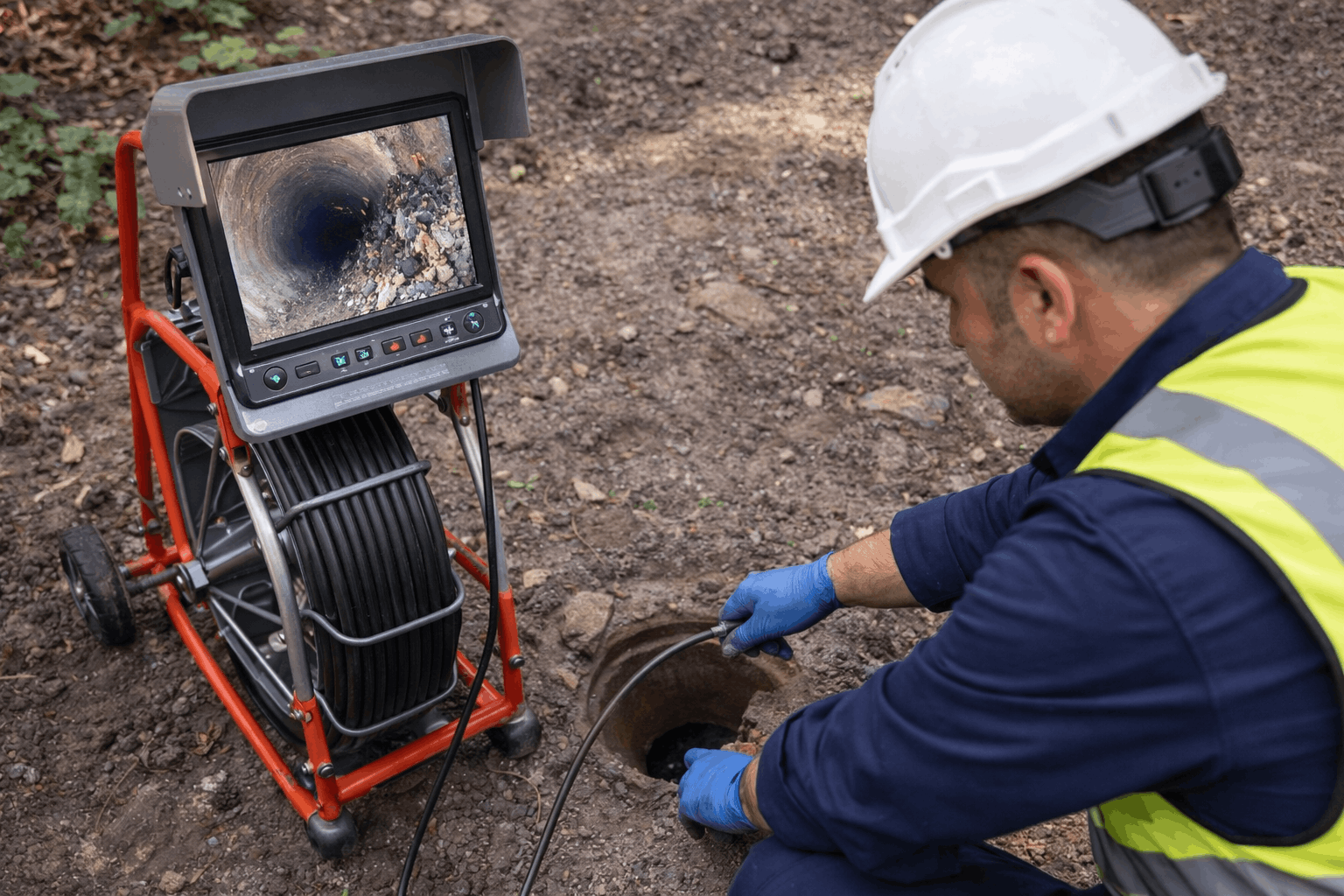
Owning a home in Sydney is a significant milestone, but whether you live in a classic Victorian terrace in Surry Hills, a mid-century bungalow in Ryde, or a modern apartment grid along the Parramatta River, your property relies on a hidden network of pipes. Because these systems operate out of sight behind structural wall framing and deep within garden beds, they are frequently neglected. Unfortunately, minor wear can easily turn into a severe household crisis if ignored.
From tree roots invading legacy earthenware lines to the destructive toll high mains pressure takes on tap valves, plumbing issues are an unavoidable reality for homeowners across New South Wales. Dealing with a sudden breakdown is stressful, but understanding why these faults occur empowers you to move from reactive damage control to a consistent routine of preventative care.
Let’s break down the most widespread residential plumbing issues affecting local properties, examine complex commercial plumbing issues, share actionable plumbing maintenance strategies, and explain when an active failure warrants immediate help from licensed emergency plumbing services.
Plumbing infrastructure is heavily shaped by the history and geology of its location. Sydney’s diverse housing stock faces specific challenges that directly influence the type of plumbing repairs required across different suburbs.
A blocked drain is far more than a minor domestic annoyance; it is a major structural hazard. When wastewater cannot escape efficiently, the hydrostatic pressure within the pipe rises, creating minor leaks at pipe joins and threatening to back up toxic blackwater straight into your showers and basins.
In standard household settings, blockages usually stem from a build-up of organic waste, hair, toothpaste, and soap scum inside bathroom lines. In the kitchen, the primary issue is Fats, Oils, and Grease (FOG). When liquid fats are rinsed down a sink, they cool rapidly in the subterranean pipe network, solidifying into an immovable mass known as a “fatberg.”
For established properties throughout Sydney’s tree-lined avenues, the ultimate cause of severe drainage failure is subterranean root systems. Trees possess highly sensitive root networks designed to seek out underground water sources. Microscopic structural defects or weeping joins in older earthenware pipes release moisture into the surrounding earth.
Once a root hair finds its way into a seam, it feeds on the nutrient-rich water. As the root grows, it expands in diameter, eventually shattering the structural walls of the pipe, causing a complete backup that requires advanced plumbing repairs.
A dripping tap is easy to ignore, but it represents a continuous waste of resources and a steady drain on your household budget. A single tap leaking at a rate of 10 drips per minute wastes approximately 3,000 litres of water per year.
In standard jumper-valve taps, a leak is typically caused by a perished rubber or neoprene washer. Over a period of years, the mechanical friction of turning the handle tightens the washer against the brass seat, causing the rubber to flatten, split, or perish. In modern mixer taps, leaks usually point to a cracked internal ceramic disc cartridge.
Often, a recurring leak across multiple fixtures isn’t just due to old age; it is a symptom of excessively high water pressure. Under the Plumbing Code of Australia (AS/NZS 3500), the maximum compliant water pressure delivered to a residential boundary must not exceed 500 kPa (kilopascals).
When municipal supply lines deliver water above this safety threshold, it places chronic, exhausting stress on every internal seal, joint, and appliance connection. This accelerated wear can cause modern flexible braided connection hoses to rupture unexpectedly, causing a sudden need for emergency plumbing services.
Unlike a dripping tap, a running toilet can leak silently for months without ever leaving water on your bathroom floor. A severely running cistern can waste upwards of 96,000 litres of water per quarter, turning an ordinary utility bill into a major financial shock.
A toilet cistern relies on a simple mechanical balance of two valves: the inlet valve (which fills the tank) and the outlet valve or flush valve (which releases water into the bowl).
If the internal rubber seating washer at the base of the flush valve becomes warped by minerals or chloramines in the water supply, it can no longer form a watertight seal. Water leaks straight out of the tank and down into the bowl, forcing the inlet valve to run continuously to keep the cistern full.
A burst pipe represents one of the most destructive residential plumbing issues a homeowner can experience. Within minutes, a major fracture can dump thousands of litres of water into wall cavities, ruining insulation, collapsing plasterboard ceilings, and destroying floor coverings.
A hot water system is easily one of the hardest-working appliances in any home, yet it is rarely thought about until a cold shower forces us to pay attention. Managing system fatigue is a core part of effective plumbing maintenance.
Storage water heaters are susceptible to internal rust. To prevent this, manufacturers insert a sacrificial anode rod inside the tank. This rod is made of a more reactive metal (like magnesium or aluminium) that purposely attracts corrosive elements in the water, rusting away so that the steel tank doesn’t have to. Once the anode rod is completely consumed (usually within 3 to 5 years), the main tank begins to rust, leading to a complete tank failure and serious flooding.
Every storage system features a Pressure Temperature Relief (PTR) valve. This hot water valve acts as a mechanical safety device. If the thermostat fails and the water overheats, the PTR valve opens automatically to vent expanding water and steam safely down an overflow line. If this valve seizes up due to mineral scale, the tank can over-pressurise, risking a severe structural rupture.
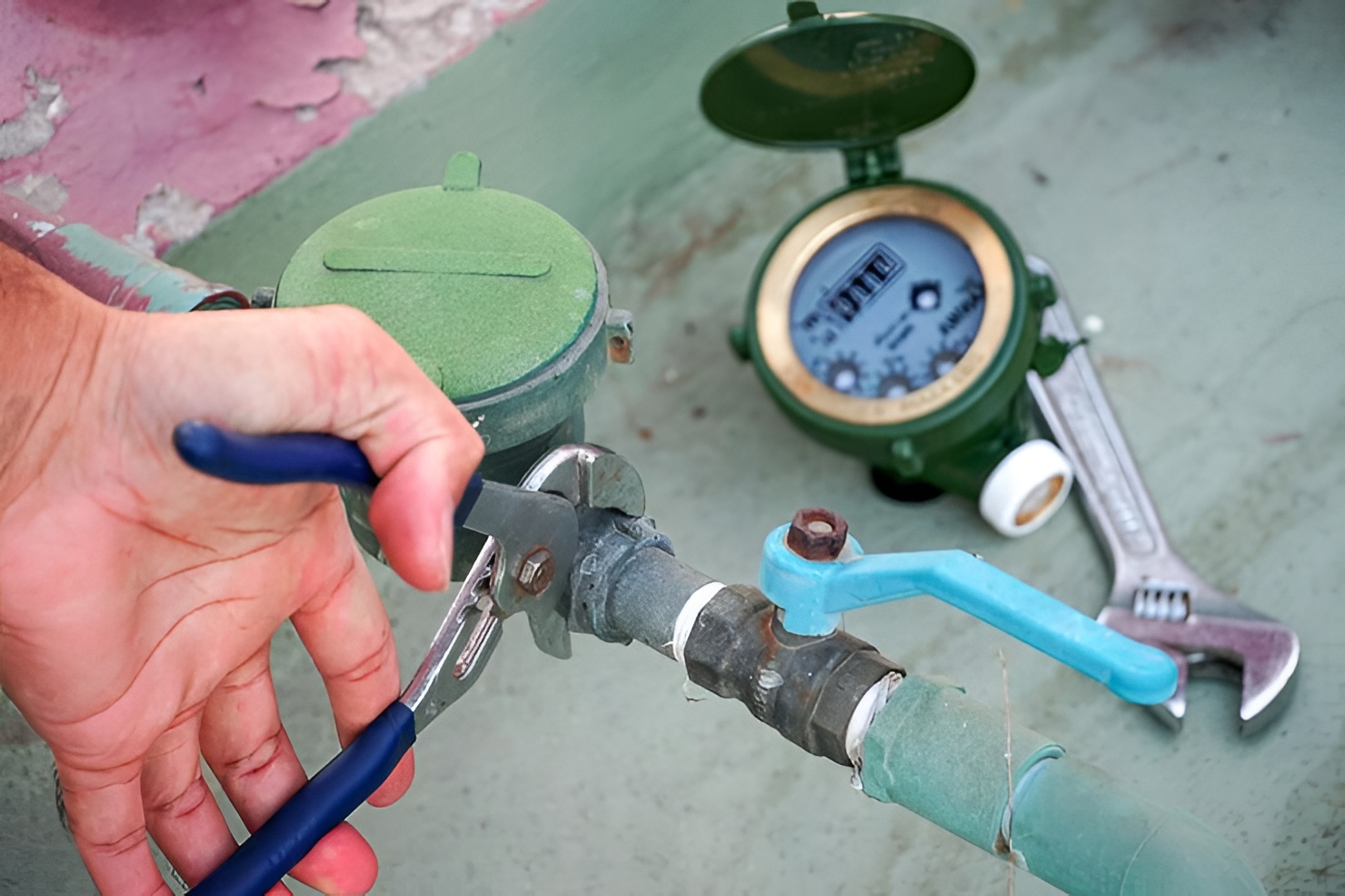
Many minor issues, like a slow-draining basin or a worn tap washer, can be handled during standard business hours. However, certain high-risk scenarios demand an immediate response from professional emergency plumbing services to safeguard your property and your health.
The most widespread residential plumbing issues include blocked drains (often caused by invasive tree roots or kitchen grease), leaking taps from worn-out rubber washers, silently running toilets that spike water bills, and burst pipes triggered by structural corrosion or unmanaged high water pressure.
Under Australian standard AS/NZS 3500, residential water pressure should not exceed 500 kPa. When incoming municipal pressure surges past this safety limit, it places chronic, exhausting stress on your pipe joints, tap valves, and flexible braided hoses. Over time, this accelerated wear triggers sudden blowouts that require immediate plumbing repairs.
While residential faults typically affect a single-family system, commercial plumbing issues carry much higher financial and regulatory stakes. Commercial assets face high-volume trade waste challenges (like grease trap management), strict occupational health mandates such as annual TMV testing and certification, and backflow prevention requirements to keep the public drinking supply safe.
For basic hot water plumbing maintenance, gently pull the easing lever on your Pressure Temperature Relief (PTR) valve every six months for a few seconds to ensure it hasn’t seized up. Additionally, you should have a licensed technician inspect and replace the tank’s internal sacrificial anode rod every 4 to 5 years to prevent rust from degrading the tank from the inside out.
Knowing the warning signs, from a slightly elevated water meter reading to a weeping pressure relief valve, gives you the power to act before a minor drip turns into a major flood. When a system failure climbs beyond basic DIY control, partnering with a qualified, highly experienced specialist is the ultimate way to secure your peace of mind.
Stop waiting for a minor leak to turn into an expensive emergency or a high utility statement. Protect your property value, family safety, and compliance records by booking a professional plumbing audit.
Looking for reliable plumbing maintenance or urgent emergency plumbing services? Call Civic Plumbing today on 0410 790 630 to book an expert technician or request an upfront, fixed quote.



