- We're are currently open!
 5 - Star Service
- Call our number today!
0410 790 630
5 - Star Service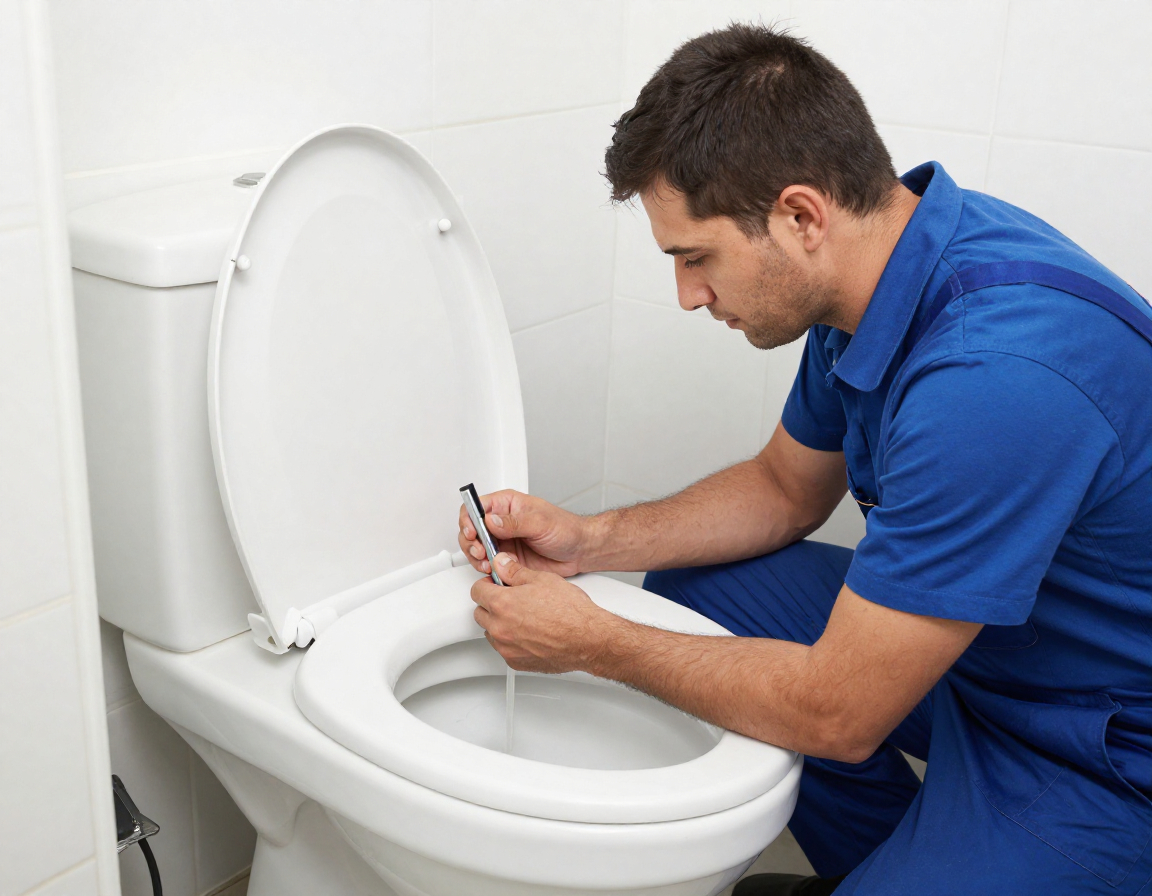
A leaking toilet may seem like a minor issue, but left untreated, it can waste water, increase your bills, and cause structural damage to your bathroom. Understanding how to repair a leaking toilet can help you act quickly and prevent bigger plumbing problems.
Whether the leak is coming from the base, the cistern, or the supply line, identifying the source is the first step toward fixing it properly.
Before attempting any toilet leak repairs, it’s worth understanding the most common causes.
Some of the most common causes include:
In many cases, the issue is simple and repairable. However, ongoing leaks may indicate deeper plumbing problems that require professional toilet repairs.
Locate the isolation valve near the base of the toilet and turn it off. Flush the toilet to empty the cistern.
A faulty flapper valve is one of the most common reasons for water trickling or leaking into the bowl. Remove the cistern lid and inspect the rubber seal. If it’s worn or warped, replace it with a compatible part.
If the toilet continues running, the fill valve may be malfunctioning. Adjust or replace it to restore proper water levels.
Leaks around the base of the cistern or water supply line may be caused by loose fittings. Carefully tighten connections using appropriate tools.
If water pools around the base of the toilet, the pan collar seal may be deteriorated or compromised. Replacing it requires removing the toilet and installing a new seal.
Tackling minor toilet repairs yourself can save time and money, but more complex plumbing issues should always be left to a licensed plumber.
If you’ve tried basic fixes and the leak persists, it may be time to contact a professional plumber. Persistent leaks can lead to water damage, mould growth, and structural problems.
A qualified plumber can identify hidden pipe issues, cracked fittings, or pressure problems that aren’t obvious to the average homeowner.
For example, leaks caused by blocked drains or damaged pipes may require CCTV drain inspection or pipe relining services.
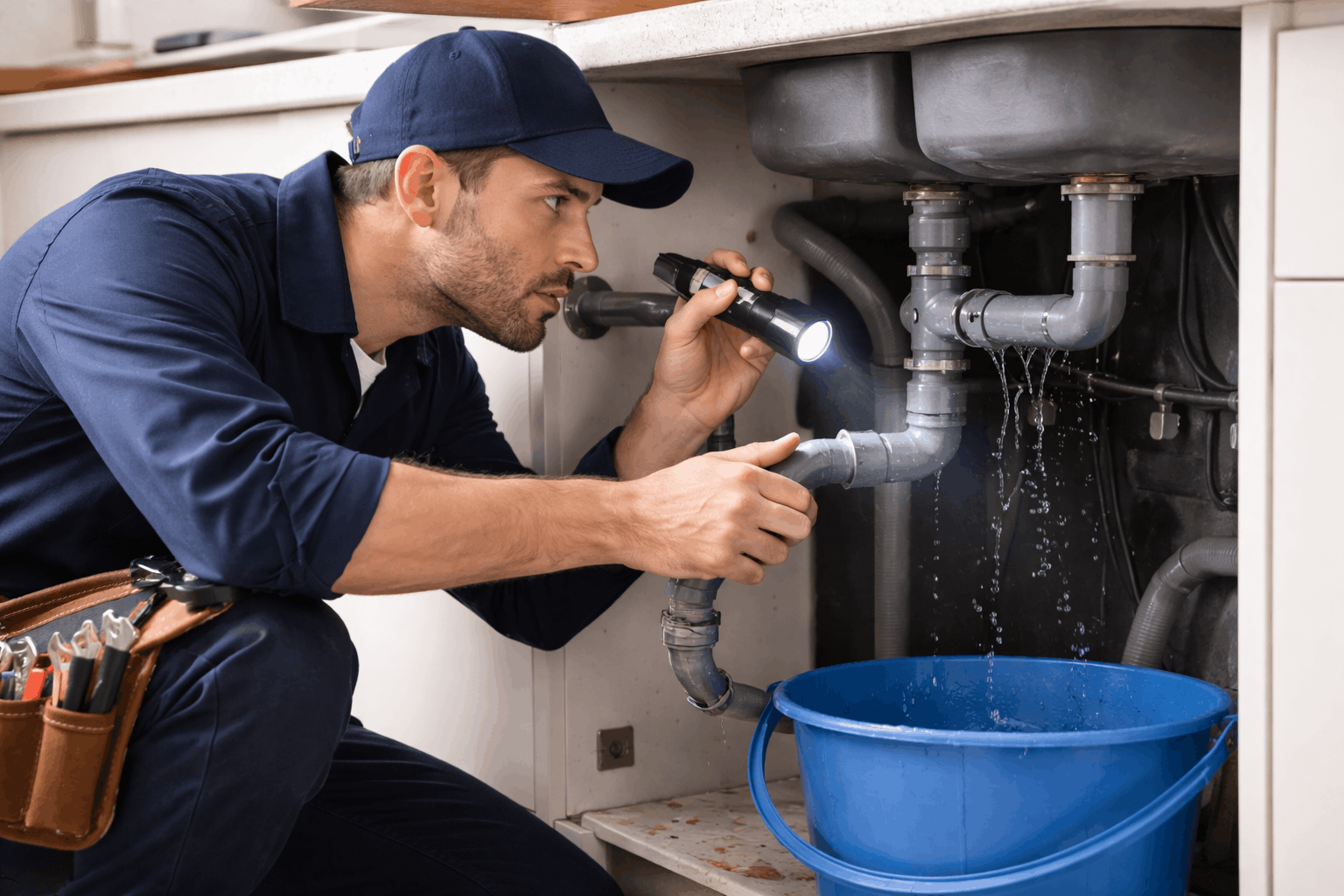
Leaving a toilet leak unattended can result in:
Acting quickly reduces long-term repair costs and protects your property.
Staying on top of regular plumbing maintenance is one of the best ways to prevent toilet leaks from developing in the first place.
If your property has older plumbing, preventative maintenance is especially important.
Yes. Severe blocked drains can increase pressure in the system and contribute to leaks around fittings.
Pipe relining is used when underground pipes are damaged. It’s recommended if CCTV inspection identifies structural pipe issues.
If the leak continues after replacing basic parts, or if water pools around the base, it’s best to contact a licensed plumber.
While uncommon, ongoing leaks can weaken surrounding pipes and increase the risk of burst pipes.
No. Gas fitting must always be completed by licensed professionals for safety reasons.
A professional inspection every one to two years helps prevent hidden leaks and drainage issues.
Being able to identify and address a toilet leak early can save you water, money, and the hassle of major repairs down the track. That said, persistent leaks or structural plumbing problems are best left to the professionals. If you need reliable toilet repairs, blocked drain services, or emergency plumbing support in Sydney, Civic Plumbing is here to help. Call us on 0410 790 630 today for fast, professional plumbing solutions.
