- Sorry! We are currently closed!
 5 - Star Service
- Call our number today!
0410 790 630
5 - Star Service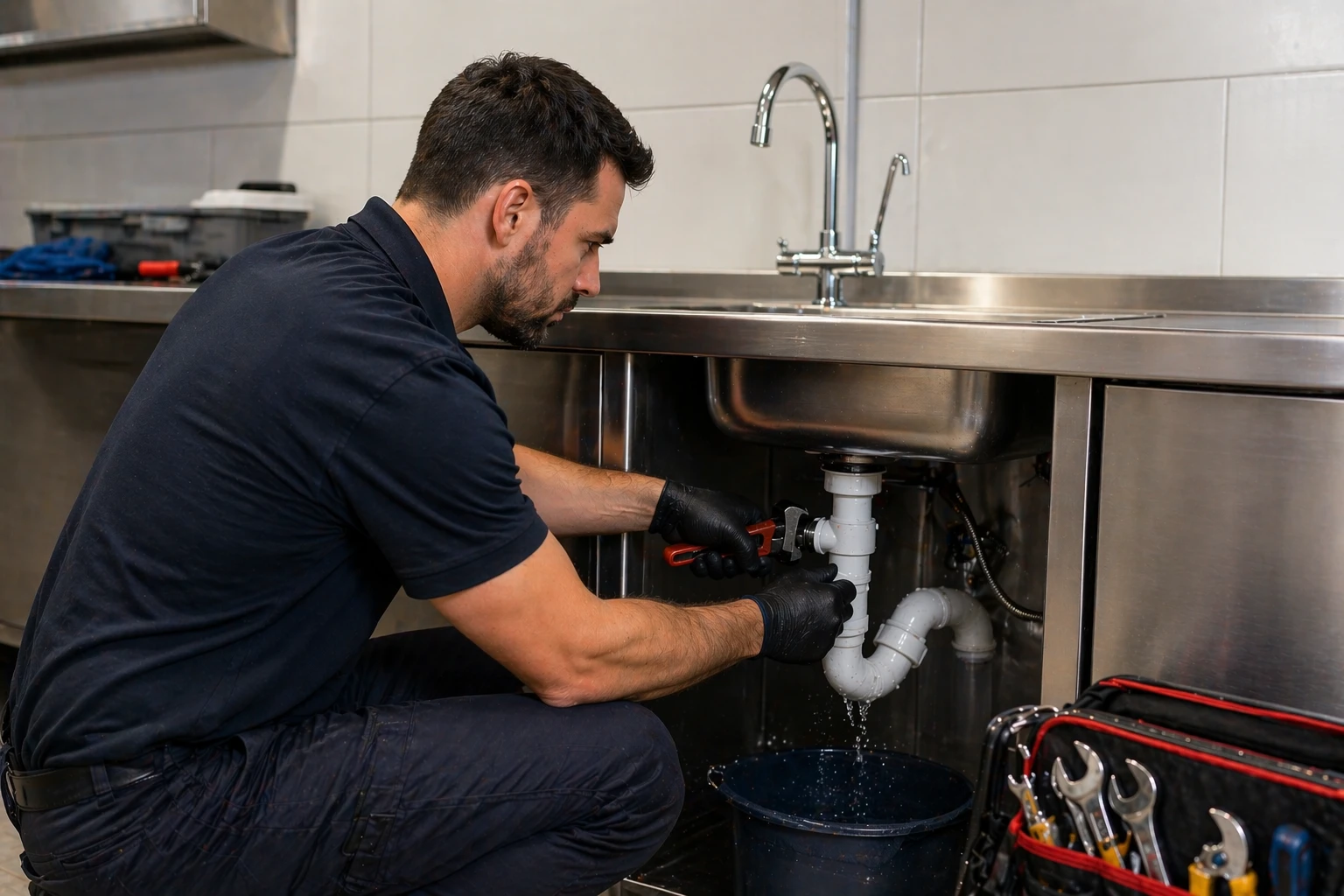
The kitchen is undoubtedly the heart of every Australian home. From brewing the first cup of coffee in the morning to preparing a family roast on Sunday, it is the hardest-working room in the house. However, because it is used so frequently, it is also the most susceptible to kitchen plumbing issues. A minor drip or a slow-draining sink might seem like a small inconvenience, but in the world of plumbing, these are often the early warning signs of a major disaster.
For homeowners in Sydney, maintaining a functional kitchen requires more than just keeping the benches clean. It involves understanding the complex network of pipes, gas fittings, and appliances running behind your walls and under your floors. In this comprehensive guide, we will explore the most common kitchen plumbing problems, how to identify them early, and the proactive maintenance steps you can take to avoid a costly emergency.
The most frequent call-out we receive for kitchen plumbing in Sydney involves blocked drains. Unlike bathroom drains, which usually contend with hair and soap scum, kitchen drains are a magnet for fats, oils, and grease (FOG).
When you pour liquid fat down the sink, it may look harmless while hot. However, as it travels through your pipes, it cools and solidifies, clinging to the pipe walls. Over time, other food scraps like coffee grounds or rice get trapped in this sticky residue, eventually creating a “fatberg” that completely seals the pipe.
• The Bin is Your Friend: Never pour oil or grease down the sink. Collect it in a jar and dispose of it in the general waste.
• Use Strainers: A simple mesh strainer can catch 90% of food debris before it enters your kitchen plumbing system.
• The Boiling Water Flush: Once a week, pour a kettle of very hot (not quite boiling) water down the drain to help flush away minor grease buildup before it solidifies.
A dripping tap is more than just an annoying sound keeping you up at night; it is a massive waste of a precious Australian resource. A single tap leaking at a rate of one drip per second can waste over 12,000 litres of water a year.
Most modern kitchen taps use ceramic discs or cartridges. If your tap is leaking from the spout, the internal cartridge likely needs replacing. If it’s leaking from the base of the handle, the O-ring or seal has probably perished.
While some homeowners attempt a DIY fix, modern designer tapware can be complex. For a permanent solution, our professional toilet repair team can check whether the tap seat is corroded and resurface or replace it as needed, preventing the leak from returning within weeks.
If you notice a foul, “rotten egg” smell emanating from your sink, your kitchen plumbing is trying to tell you something. This is usually caused by one of two things: decomposing food trapped in the P-trap or a dried-out trap in a guest kitchenette.
The U-shaped pipe under your sink is designed to hold a small amount of water. This water acts as a seal, preventing sewer gases from entering your home. If you don’t use the sink for a long time, this water evaporates, allowing gases to seep through.
Usually, running the water for 60 seconds will restore the seal. If the smell persists, you may have a buildup of biofilm and rotting organic matter. A professional hydro-jetting service, commonly used in drain cleaning and pipe relining preparation, can scour the inside of your pipes clean, eliminating the odour at the source.
Modern kitchens are packed with water-reliant appliances. Dishwashers and plumbed-in refrigerators add convenience, but they also add new points of failure for your kitchen plumbing.
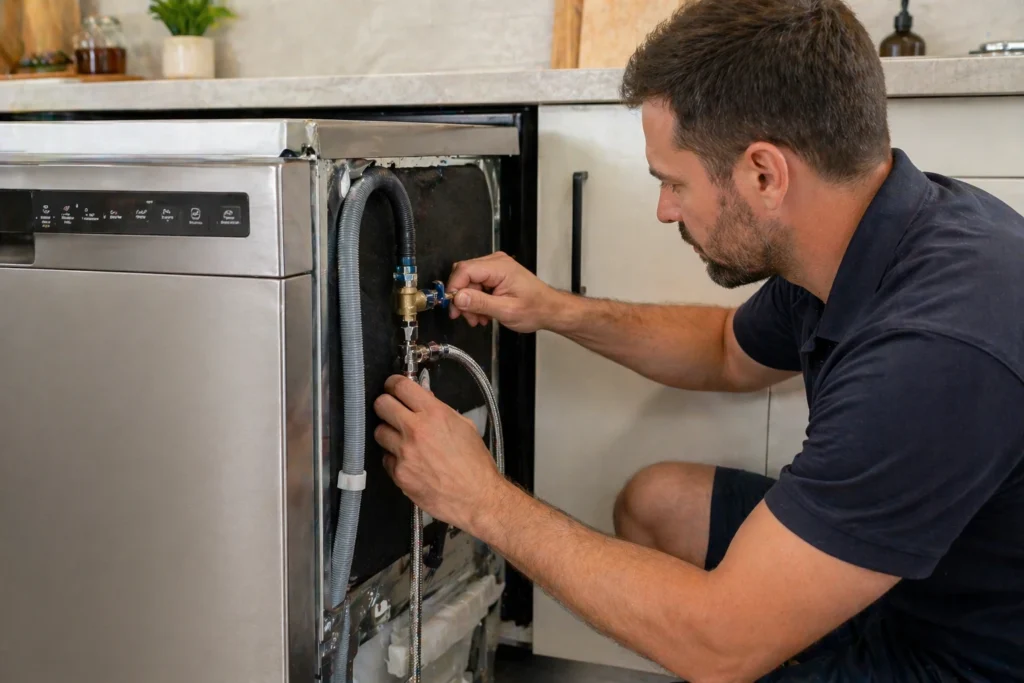
The most common cause of a kitchen flood is a failed flexible braided hose (flexi-hose). These hoses connect your appliances to the water mains. Over time, they can rust or kink, leading to a catastrophic burst pipe situation while you are away from home.
• Check Monthly: Look for signs of fraying or rust on the stainless steel braiding.
• Replace Every 5 Years: Regardless of condition, flexi-hoses should be replaced every five years by a licensed plumber to ensure your home is fully protected.
If your kitchen sprayer has lost its “oomph,” it could be a localised issue or a sign of a larger problem in your Sydney property.
• Aerator Clogs: Most kitchen taps have a small mesh screen at the tip. Mineral deposits from Sydney’s water can clog this screen. Simply unscrew it and soak it in vinegar to restore flow.
• Hidden Leaks: If cleaning the aerator doesn’t work, you may have a hidden leak. In these cases, we use specialised leak detection equipment to locate cracked or damaged pipes behind cabinetry or beneath the concrete slab.
Some kitchen plumbing issues go deeper than the sink. If you live in an older Sydney home, your recurring kitchen blockages might be caused by tree roots in the main line.
Instead of digging up your beautiful kitchen tiles to fix a broken pipe, we offer pipe relining services. This trenchless technology creates a new, root-proof pipe inside the old one. It is the perfect long-term solution for kitchen drainage that has been compromised by age or environmental factors.
Many kitchens in Sydney use gas for cooking. It is vital to remember that any work involving gas fittings must be done by a dual-licensed plumber and gas fitter. A gas leak poses a serious fire and carbon monoxide risk, which is why regular safety inspections by a licensed gas fitter are essential for any Sydney home with a gas kitchen.
Recurring blockages are usually caused by a buildup of grease and fat. While chemical drain cleaners provide a temporary fix, they can corrode your pipes and damage your kitchen plumbing system over time. For a permanent solution, a professional cleaning or a check for sewer relining needs is recommended if roots are involved.
While not an immediate danger like a burst pipe, a dripping tap wastes thousands of litres of water. It is best to schedule a repair early to avoid high water bills and potential damage to your tap’s internal housing.
For safety, you should have your gas fittings and appliances serviced every two years. This ensures there are no slow leaks and that your appliances are burning gas efficiently, reducing the risk of carbon monoxide buildup.
Yes! Through modern pipe relining services, we can fix cracked or broken kitchen pipes through a single access point. This saves your tiles and cabinetry from being destroyed during the repair process.
A dishwasher that won’t drain is usually caused by a blockage in the filter or the connection to the sink’s kitchen plumbing. Ensure your sink drain is clear, as a blockage there will often prevent the dishwasher from pumping out water.
Your kitchen is a complex ecosystem of water, gas, and waste. By staying proactive with kitchen plumbing maintenance, from disposing of grease correctly to replacing ageing flexi-hoses, you can avoid the stress and expense of a midnight plumbing emergency.
At Civic Plumbing, we are dedicated to keeping Sydney’s kitchens running smoothly. Whether you need a simple tap washer replaced, professional leak detection, or a complete overhaul of your gas fittings, our licensed team is just a phone call away. We pride ourselves on upfront pricing and 5-star service for every home we visit.
Having trouble in the kitchen? Don’t wait for a flood. Call us today on 0410 790 630 for expert service you can trust.
