- Sorry! We are currently closed!
 5 - Star Service
- Call our number today!
0410 790 630
5 - Star Service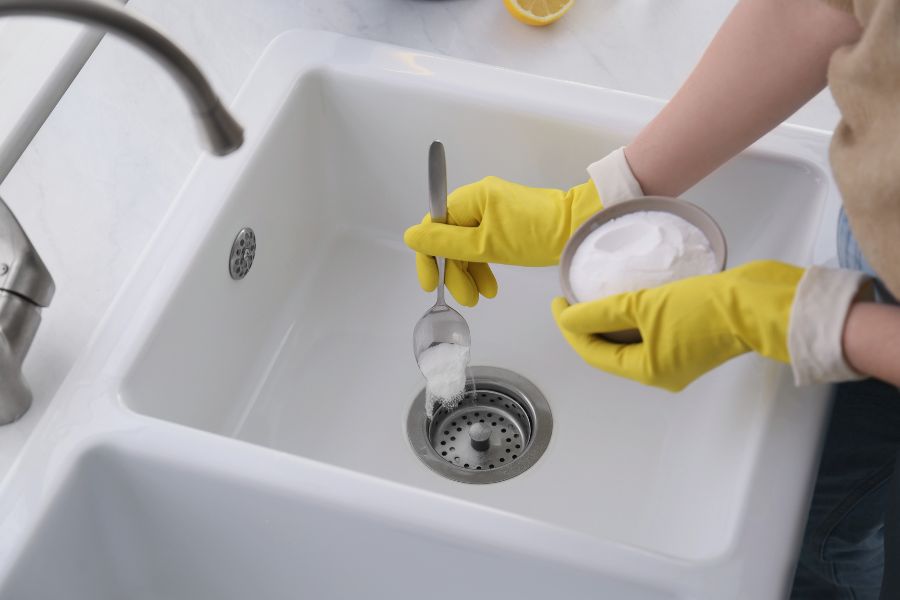
When a pipe starts leaking, a drain flows slowly, or a hot water system begins to rumble, many Sydney homeowners turn to old wives’ tales, quick internet hacks, or well-meaning advice from friends, and that is where plumbing myths can cause real damage. Unfortunately, the world of home plumbing is riddled with persistent misinformation. What sounds like a practical shortcut or a cheap DIY fix can quickly turn into a serious disaster, leading to water damage, toxic mould, or thousands of dollars in emergency repair bills.
In the diverse suburbs of Sydney where historic Victorian terraces sit alongside mid-century bungalows and high-density apartments, misunderstandings about drainage, water pressure, and fixture care run rampant. Separating plumbing facts from costly fiction is one of the best ways to protect your home.
In this guide, we debunk 10 plumbing myths still widely believed across New South Wales, highlight common plumbing mistakes, and share practical advice to keep your home’s plumbing running at its best.
This is one of the most widespread and costly plumbing misconceptions homeowners still fall for. Packaging marketing frequently proclaims that wet wipes, baby wipes, and personal hygiene cloths are “flushable.” Technically, yes, they will exit your toilet bowl when you press the flush button. However, their journey through your underground sewer pipes is a completely different story.
Unlike standard toilet paper, which is engineered from short cellulose fibres designed to disintegrate completely within seconds of water contact, wet wipes are reinforced with synthetic plastics and woven fibres. They do not break down in the sewer. Instead, they catch on internal pipe imperfections, joins, and invasive tree roots, binding with cooking fats to form massive, rock-hard obstructions known as “fatbergs.”
When a kitchen or bathroom sink begins draining slowly, the immediate response for many is to purchase a bottle of heavy-duty chemical drain opener from the local supermarket. The myth is that these products safely melt away blockages without damaging your pipes.
In reality, commercial drain cleaners rely on highly concentrated chemical compounds such as sodium hydroxide (lye) or sulfuric acid to generate intense heat within your pipes. While this heat can melt grease or hair clumps, it stays trapped inside your pipes if the clog doesn’t shift immediately.
For older properties with copper pipes or thin PVC trap assemblies, this chemical heat can soften plastic joints, degrade rubber seals, and corrode metal linings. This eventually triggers hidden pinhole leaks inside walls, necessitating comprehensive plumbing repairs.
This dangerous bit of misinformation causes many property owners to ignore the earliest warning indicators of an encroaching plumbing crisis. Homeowners assume that as long as wastewater eventually exits the sink basin, shower tray, or toilet bowl, the underlying pipe infrastructure is completely healthy.
A slow-draining fixture is a warning sign that your pipe has been partially blocked by grease, hair, scale buildup, or even tree root intrusion. At that point, the system is essentially on borrowed time.
Ignoring a sluggish drain allows pressure to build behind the blockage, causing water to seep through pipe joint seals. Eventually, even a small amount of additional debris can trigger a complete drain backup, sending contaminated water flooding into your home.
It is a popular online cleaning hack: toss a few citrus peels down the waste disposal unit to eliminate odours and sharpen the blades. Unfortunately, this advice is a direct recipe for a jammed unit and a blocked kitchen sink.
First, garbage disposals do not actually possess sharp, spinning knives; they rely on blunt impellers and a grinding ring to pulverise food scraps into a fine slurry. Citrus rinds are incredibly thick, fibrous, and tough. The impellers struggle to break them down, leading to motor strain, seized components, and fibrous pulp clogging the P-trap.
Assuming all plumbing professionals possess identical skill sets and licensing endorsements is one of the most dangerous plumbing mistakes a property owner can make. Many assume that because gas and water both travel through metal pipes, any general plumber can handle a gas heater installation or a gas line repair.
Under Australian safety regulations, gas fitting is an entirely separate and specialised trade qualification. While many professionals hold dual licensing covering both water plumbing and gas fitting, a significant number do not. Working on a gas system without a specific gas endorsement is illegal, can void your home insurance policy, and puts your household at risk of gas leaks, explosions, or carbon monoxide poisoning.
Those bright blue or white bleach tablets that sit inside your toilet cistern seem like an easy way to keep the bowl clean and fresh with every flush. However, what looks like a smart maintenance shortcut causes severe long-term damage to the internal mechanisms of your toilet.
When a toilet sits unused for several hours, such as overnight or while you are at work, the tablet slowly dissolves into the stagnant cistern water, creating a concentrated acidic solution. This chemical solution actively eats away at the flush valve, the rubber flapper, and the silicone seals that keep the cistern watertight. Over time, the rubber perishes, cracks, or warps, causing a constant, silent leak from the tank into the bowl that wastes thousands of litres of water per week.
A storage hot water system is easily one of the hardest-working appliances in any Australian home, silently heating and pressurising water 24 hours a day. Yet most homeowners never look at or service their tank until they are hit with a cold shower or a flooded garage.
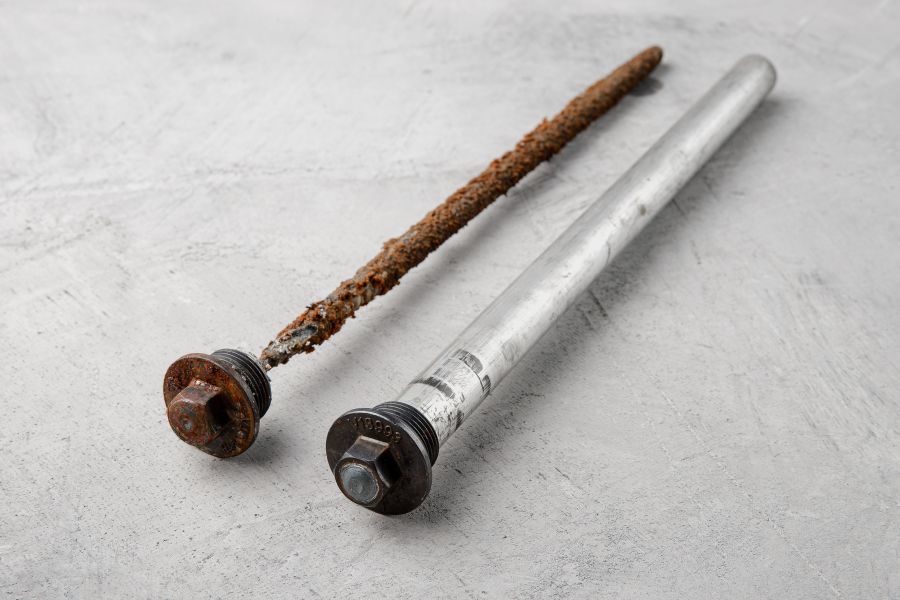
Storage hot water units are highly susceptible to internal rust caused by oxygenated water and electrochemical reactions. To prevent the steel tank from corroding, manufacturers insert a sacrificial anode rod inside the cylinder. This rod is designed to degrade over time, drawing corrosive minerals to itself so the tank doesn’t rust. Once this rod is fully consumed (typically every 3 to 5 years), the main steel cylinder begins rusting rapidly from the inside out, leading to structural failure.
This is a vintage eco-tip from previous generations: place a solid clay brick inside your older, high-volume toilet cistern to displace water, forcing the tank to use less water per flush. While the desire to conserve resources is admirable, using a brick is a terrible idea for modern plumbing fixtures.
Clay bricks are porous and naturally degrade when permanently submerged in water. Over time, the brick crumbles, releasing fine clay sediment, grit, and fragments into the cistern. This debris gets trapped under the rubber flush valve seals, preventing them from closing tightly and causing a continuous, hidden leak into the bowl. Furthermore, modern dual-flush toilets are already precisely engineered to use the exact minimum volume of water required to clear waste through the trap; lowering that volume artificially leads to weak flushes and frequent toilet blockages.
It is easy to assume that if a tap, flexible connection hose, or shut-off valve isn’t actively dripping water, it is completely safe and fully functional. This is one of the most common plumbing myths surrounding preventative home maintenance. Every mechanical component has a definitive operational lifespan.
Consider stainless-steel flexible braided hoses, which connect your sinks, basins, vanities, and toilets straight to your wall supply lines. These hoses are subject to constant, high-pressure hydraulic stress. Over a period of 5 to 7 years, the internal rubber tube and the outer metal braid naturally fatigue. A flexi-hose can look perfectly fine on the outside while being on the verge of a sudden blowout that can flood your home in minutes.
There is no denying that a high-pressure shower feels great, but assuming that strong water pressure is a sign of a healthy plumbing system is a common misconception. In fact, excessive water pressure is the leading silent cause of sudden pipe failure and appliance damage in metropolitan areas.
Under the Plumbing Code of Australia (AS/NZS 3500), the maximum compliant water pressure delivered to any residential boundary must not exceed 500 kPa (kilopascals). When municipal supply mains deliver water above this safety threshold, it places chronic, intense stress on your entire pipe network. Every joint, solder line, tap cartridge, and appliance connection is placed under constant structural stress. This accelerated wear causes premature appliance failure, constant leaks, and severe burst pipe emergencies.
To protect your home, it helps to match these common plumbing myths with their fact-based solutions:
| Common Plumbing Myth | The Structural Reality | The Preventative Solution |
| Flushable wipes break down easily | They cause severe fatbergs and main sewer blockages | Throw all wet wipes into the general waste bin |
| Chemical cleaners are safe for lines | They generate corrosive heat that damages pipes | Use mechanical plungers or professional hydro-jetting |
| High water pressure is perfectly safe | It fatigues joints, seals, and ruptures flexi-hoses | Install a Pressure Limiting Valve (PLV) at the meter |
| Tanks don’t require servicing | Sacrificial anodes degrade, leading to structural rust | Replace the internal tank anode rod every 4–5 years |
You can contact a licensed plumber to connect a calibrated pressure gauge to an external garden tap or your main meter assembly. If the gauge reads above 500 kPa when all internal fixtures are turned off, your property has high pressure. Installing a pressure-limiting valve is the most effective way to bring your water pressure down to a safe and compliant level.
Chemical drain cleaners rely on highly caustic formulations that dissolve blockages by generating intense heat inside your pipes. This intense thermal energy can warp PVC plastic pipes, degrade rubber seal joins, and accelerate corrosion in older metal lines. Additionally, if the chemical fails to clear the clog, it leaves your pipes filled with toxic acid, creating a significant safety risk for the technician who must clear it manually.
A sacrificial anode is a long metal rod composed of magnesium or zinc installed inside a storage hot water tank. It is engineered to corrode faster than the steel walls of the water heater, drawing corrosive elements away from the cylinder structure. Replacing this rod every 4 to 5 years keeps the main steel tank from rusting and splitting.
Remove the lid of your toilet cistern and add 5 to 10 drops of dark food colouring into the water tank. Do not flush the toilet. Wait roughly 15 to 20 minutes; if the water in the toilet bowl starts to change colour, your flapper valve or outlet washer is likely worn or perished and should be replaced by a licensed plumber.
Flexible braided hoses feature an inner rubber core surrounded by a woven stainless-steel sleeve. Because they are constantly subjected to mains water pressure, the internal rubber and outer metal braid naturally wear out over time. They have an average safe working lifespan of 5 to 7 years, after which they can suffer sudden, high-volume blowouts.
Managing your home’s plumbing well starts with letting go of common plumbing myths and replacing them with facts you can actually rely on. While DIY cleaning shortcuts and chemical fixes promise quick answers, they frequently mask deeper structural weaknesses or inadvertently cause severe damage to your pipes, valves, and appliances. Taking a proactive approach grounded in routine inspections, pressure regulation, and timely asset replacement is the most cost-effective way to manage your property.
At Civic Plumbing, we are dedicated to providing clear, transparent, and fully compliant residential and commercial maintenance solutions across Sydney. Our team of licensed plumbing and gas professionals combines hands-on industry experience with advanced diagnostic tools, including CCTV drain cameras and digital pressure testing equipment, to identify and resolve issues before they become costly problems. We work with complete upfront pricing, ensuring you know the exact cost before any work begins.
Don’t let misleading advice or outdated habits put your home at risk. Whether you need a pressure audit, a hot water service, or professional drain maintenance, our experienced tradespeople are here to provide dependable care.
Ready to book a professional plumbing inspection or need expert advice? Contact Civic Plumbing today on 0410 790 630 to speak with a licensed local specialist.



