- Sorry! We are currently closed!
 5 - Star Service
- Call our number today!
0410 790 630
5 - Star Service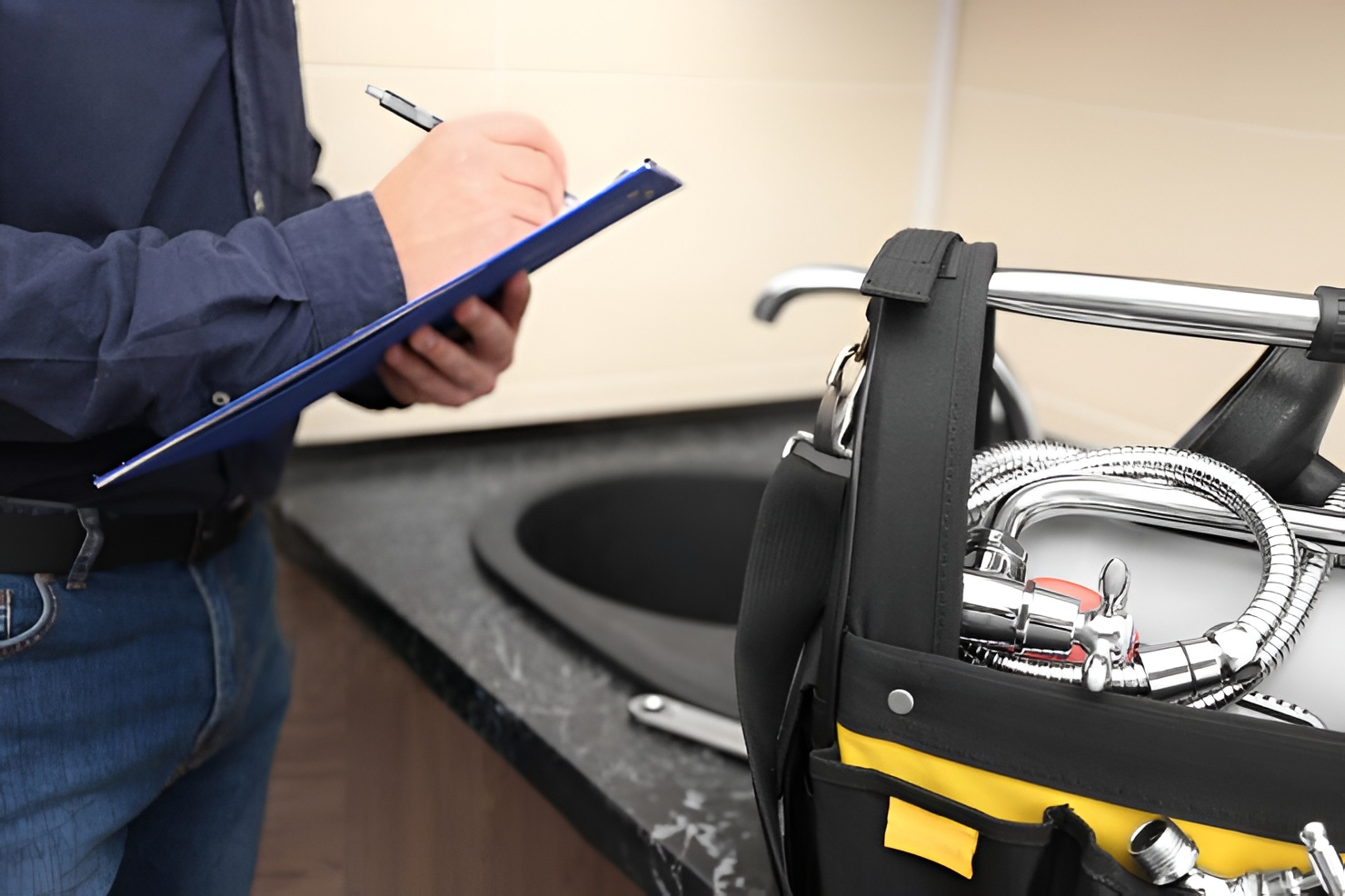
Buying a home in Sydney is a massive financial milestone. Whether you are bidding on a beautifully restored Victorian terrace in Balmain, a post-war family brick home in Ryde, or a sleek contemporary apartment in Parramatta, it represents one of the largest financial commitments you will make in your lifetime. To protect this investment, most buyers book a building and pest inspection before exchanging contracts, but a pre-purchase plumbing inspection is just as critical and far more commonly overlooked.
A general building inspector will turn on a tap to check that water flows and glance under the kitchen sink for obvious dampness, but they do not carry the specialised diagnostic equipment required to assess hidden pipe infrastructure. Subterranean sewer networks, buried stormwater lines, in-wall gas feeds, and the internal health of storage hot water tanks remain completely unexamined.
Failing to arrange a comprehensive pre-purchase plumbing inspection can lead to an expensive “buyer’s remorse” scenario, leaving you responsible for thousands of dollars in emergency repair costs just days after picking up the keys.
In this guide, we cover exactly why a specialised property plumbing inspection is essential for Sydney buyers, what hidden liabilities to watch out for in local properties, and how professional diagnostics can protect you before you commit.
Sydney’s diverse architectural landscapes bring distinct geographic and infrastructural quirks. The age of the suburb you are buying into directly influences the type of plumbing liabilities hidden behind the plasterboard and beneath the garden beds. Without a specialised plumbing inspection for home buyers, you are essentially gambling on the health of these vital systems.
In older, character-rich suburbs, underground sewer and stormwater lines are frequently constructed from legacy clay or earthenware pipes. These pipes are laid in short sections, creating rubber or mortar joints every few metres. Over several decades, soil shifting and seasonal moisture cycles cause these joints to weep.
Mature trees, which are highly prevalent across Sydney’s established residential streets, possess root systems that actively seek out these subterranean moisture sources. Microscopic root hairs push into the weeping joints, feeding on nutrient-rich wastewater. As the roots expand, they crack and displace the pipe walls, causing blockages, structural collapses, and costly plumbing repairs. Only a diagnostic sewer camera run during a property plumbing inspection can expose these hidden liabilities.
A professional home plumbing inspection is a non-destructive diagnostic health check of five core areas across the property. Here is exactly what an endorsed master plumber evaluates before you sign the contract.
This is arguably the most financially high-stakes phase of the inspection. The technician inserts a high-definition CCTV drain camera down the overflow relief gully (ORG) or inspection shafts, driving it through the entire length of the property’s drainage lines to the main Sydney Water connection point. This camera feed exposes:
Under Australian plumbing standards, the maximum water pressure delivered to any residential boundary must not exceed 500 kPa (kilopascals). However, many municipal lines across Sydney deliver water at significantly higher forces.
During a pre-purchase plumbing inspection, the plumber connects a calibrated pressure gauge to the water supply. If the property operates with high water pressure and lacks a functioning pressure-limiting valve (PLV) at the meter, the internal pipe network is under continuous, exhausting hydraulic stress. This accelerated wear causes premature appliance failure, weeping joints, and sudden, high-volume burst pipe emergencies inside wall cavities.
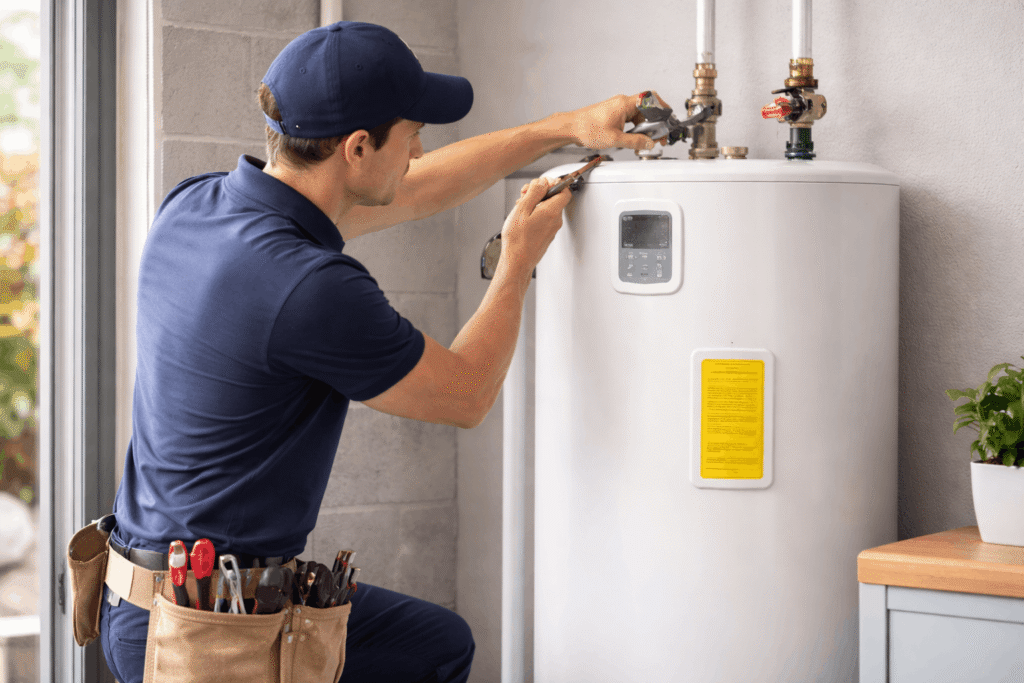
Replacing a hot water system can add significant unexpected costs to a new homeowner’s budget. The inspector evaluates the compliance plate to determine the exact age of the storage cylinder, checks for visible tank rust, and tests the critical Pressure Temperature Relief (PTR) valve.
Crucially, they determine whether the unit’s sacrificial anode rod has been maintained. If the tank is more than 8 to 10 years old and has never been serviced, it is operating on borrowed time and is highly susceptible to structural rust failure.
Gas is an incredibly efficient fuel source for heating and cooking, but it demands absolute technical respect. If the home features natural gas or LPG connections, the plumber runs a pressure-drop test (manometer test) to verify that the entire gas line network is perfectly sealed and leak-free.
Furthermore, if there are older gas bayonet space heaters inside the home, they conduct carbon monoxide room testing to ensure malfunctioning burners aren’t venting this invisible, odourless, and lethal gas into the living spaces. This is a vital phase of a specialised property plumbing inspection that a general building inspector cannot complete.
The plumber completes a detailed inventory of every tap, toilet cistern, vanity basin, and laundry connection point across the home. They look for hidden water leaks beneath vanities, verify toilet cistern seating washers aren’t silently wasting thousands of litres of water down the bowl, and audit high-risk flexible braided connector hoses.
These flexible stainless-steel hoses beneath sinks and toilets have a reliable functional life of 5 to 7 years. If they are corroded or fraying, they pose a serious flood risk that can cause significant internal water damage.
A common mistake made by property buyers is assuming that a standard pre-purchase building report provides a comprehensive review of the plumbing. It is important to look closely at the limitations of a standard building report compared to a specialised plumbing audit:
| Inspection Element | Standard Building Report | Pre-Purchase Plumbing Inspection |
| Sewer Lines | Visual check of tap flow only | Full HD CCTV internal camera runs to the Sydney Water main |
| Water Pressure | Subjective test (turning on a shower) | Precision calibrated digital gauge reading (kPa verification) |
| Gas Lines | Visual check of appliance presence | Manometer pressure-drop leak testing & safety clearance |
| Hidden Wall Leaks | Only notes visible dampness or staining | Moisture meters, thermal imaging, and static leak testing |
| Compliance Check | Generally ignored | Verification of WELS ratings, illegal links, and hot water valves |
Leveraging the Plumbing Report in Contract Negotiations
A pre-purchase plumbing inspection report is a powerful legal and financial lever during the pre-exchange negotiation window. It shifts you from guesswork to objective data.
If the plumbing report identifies structural damage such as a root-damaged clay sewer line beneath a concrete driveway that requires pipe relining services, you have two distinct professional paths forward before signing the contract:
General building inspectors are trained to evaluate the visible structural elements of a house, such as framing, roofing, foundations, and overall safety hazards. They are not licensed plumbers, nor do they carry the expensive diagnostic technology like CCTV drain cameras, digital manometers, and high-frequency acoustic pipe locators required to evaluate the health of hidden plumbing networks.
For a standard residential three-bedroom home in Sydney, a comprehensive plumbing inspection before buying a house takes between 1.5 and 2 hours on-site. This allows the technician sufficient time to run the CCTV camera through the drainage lines, execute static pressure testing on the water and gas networks, and audit every fixture across the property.
Yes, absolutely. While the main structural pipes in a strata complex are generally managed by the body corporate, everything from the internal wall junctions inward is the individual lot owner’s responsibility. An inspection ensures your specific apartment doesn’t have a hidden ceiling water leak repair issue affecting the unit below, or a failing hot water cylinder that could cause local property damage.
An illegal stormwater connection occurs when downpipes, surface grates, or courtyard drains are plumbed directly into the municipal sewerage system instead of the dedicated stormwater network. During heavy rain events, this stormwater overwhelms the sewer lines, leading to raw sewerage back-ups. Local councils and Sydney Water actively audit properties and can issue heavy regulatory fines to the current property owner to force immediate rectification.
If a vendor refuses to allow a non-destructive CCTV camera inspection of the underground lines, it should be treated as a significant warning sign. Underground pipe repairs are among the most expensive residential plumbing issues to fix after purchase. A refusal to allow an audit indicates they may be aware of persistent blockages or tree root damage.
When buying a home, it is easy to become captivated by aesthetic details like modern kitchen stone benchtops, polished timber floorboards, or pristine open-plan living zones. However, the true functional health of any property relies on the condition of the hidden infrastructure supporting it. Investing in a specialised pre-purchase plumbing inspection is the only way to gain full visibility into the home’s water, gas, and drainage lines, ensuring you make a fully informed decision before signing on the dotted line.
At Civic Plumbing, we specialise in pre-purchase plumbing inspections across Sydney. Our licensed plumbing and gas technicians use high-definition CCTV drain cameras, calibrated pressure gauges, and electronic gas detection equipment to deliver clear, detailed property reports you can rely on. We deliver complete transparency with fixed, upfront pricing, ensuring you know exactly where you stand before making your next property commitment.
Ensure your dream home doesn’t hide an expensive plumbing surprise. Before you sign the contract or head to auction, book a certified plumbing health audit with Sydney’s inner-city trade specialists.
Need a comprehensive pre-purchase plumbing inspection before buying a house? Call Civic Plumbing today on 0410 790 630 to speak with a licensed expert or schedule your diagnostic property audit.



