- Sorry! We are currently closed!
 5 - Star Service
- Call our number today!
0410 790 630
5 - Star Service
Natural gas is one of the most efficient, reliable, and popular energy sources powering modern Australian homes and businesses. From the instant heat of a kitchen cooktop to the continuous comfort of a hot water system, gas is integral to our daily lives. However, because gas is inherently volatile and highly flammable, the infrastructure that carries it must be maintained in pristine condition. A small fault in a gas line can quickly escalate into a serious emergency involving fires, explosions, or carbon monoxide poisoning.
For property owners across Sydney, understanding when to call for immediate gas line repair is a critical safety responsibility. Unlike minor water leaks that might leave a carpet damp, a gas leak can threaten the structural integrity of your property and the lives of those inside.
In this guide, we cover the 10 warning signs that your property may be at risk, the differences between residential and commercial gas line repairs, and how professional gas fitting keeps your home or business safe.
Before examining the warning signs, it is important to understand how gas moves through your property. Gas enters your boundary from the main street line through a gas meter. From there, a network of copper, galvanized iron, or composite pipes distributes the gas to individual appliances.
Over time, this infrastructure ages. Soil shifts, environmental moisture causes external corrosion, chemical reactions cause internal degradation, and joint seals dry out. Whether you are managing a small suburban villa or a multi-story office building, ignoring the health of these lines is a major risk. When a failure occurs, immediate gas pipe repair is the only safe option.
Natural gas in its pure state is completely odourless, colourless, and tasteless. To ensure leaks can be detected by humans, Australian utility companies inject a harmless chemical called mercaptan into the gas supply. Mercaptan has a highly distinct, sulfurous smell akin to rotten eggs or cabbage.
If you smell this scent anywhere on your property, even faintly, it is the number one sign that you have a leak and require urgent gas line repair. Never ignore this smell, even if it seems to come and go. Gas can pool in stagnant air pockets and build up without warning.
When gas appliances malfunction or lines leak, incomplete combustion can release carbon monoxide (CO) into your property. CO is known as the “silent killer” because, unlike raw natural gas, it contains no mercaptan and cannot be smelled or seen.
If you or anyone in your household notices sudden, unexplained symptoms while indoors, it could point to a gas or CO leak. Look out for:
If the symptoms ease once you get outside, treat it as a gas emergency and call for professional gas fitting services straight away.
Gas lines operate under pressure. When a crack, puncture, or split develops in a copper line or a flexible connection, the escaping gas often produces an audible sound. This can range from a faint whistling behind a wall to a distinct hissing sound behind an appliance like an oven or hot water heater.
If you hear this sound when your appliances are turned off, the line itself is leaking. Do not attempt to move the appliance to inspect it, as this can worsen the damage. Leave the area and contact a licensed gas plumber for professional gas pipe repair.
Gas lines don’t just run through your walls. They also run underground through your garden to connect to the main street supply. When an underground pipe suffers from root intrusion or structural failure, the leaking gas escapes into the surrounding soil.
Natural gas blocks a plant’s roots from absorbing oxygen, effectively suffocating the vegetation. If you notice a localised patch of dead grass, yellowing shrubs, or dying plants in an otherwise healthy and well-watered garden, it is a classic sign that an underground residential gas line repair is required.
If it has rained recently or you have an outdoor irrigation system, keep an eye on puddles or damp soil located near the path of your gas line. When gas leaks from an underground pipe into wet soil or water, it will create continuous, active bubbling.
You can perform a variation of this check yourself on exposed pipe joints using the “soapy water test.” By wiping a mixture of dish soap and water onto a suspected joint, any escaping gas will instantly create expanding soap bubbles. Think of it as a simple diagnostic step: if bubbles appear, you have a confirmed leak that needs professional gas line repair.
While gas prices fluctuate, your household or business consumption patterns generally remain consistent based on the season. If you receive a quarterly bill that shows a dramatic spike in usage without a corresponding change in your lifestyle (such as installing a new heater or cooking significantly more), water isn’t the only thing that could be leaking.
A slow, constant leak in a line will run 24 hours a day, causing your meter to spin continuously. Paying for gas you are not using is frustrating, but the fire risk and structural damage from that escaping gas are the real reason to call for urgent gas fitting services.
Most modern gas lines are constructed from copper or durable plastics, but older properties in Sydney often feature galvanised iron pipes. These older materials are highly susceptible to rust and corrosion, especially if they are exposed to moisture under a house or in a damp basement.
If you visually inspect your accessible pipes and see flaky rust, green discolouration (copper oxidation), or deep pitting in the metal, the structural integrity of the line is compromised. Corroded pipes are fragile and prone to sudden failure, so arranging a gas pipe repair before a crisis hits is the safest approach.
The burners on your gas stove, cooktop, or heater provide a visual status report on the health of your gas system. A healthy, properly pressurised gas connection will produce a crisp, steady, bright blue flame.
If your appliance flames are consistently yellow, orange, or flickering erratically, it indicates incomplete combustion. This can be caused by low gas pressure resulting from a leak further up the line or a blockage inside the appliance itself. A yellow flame produces significantly more carbon monoxide and soot. Stop using the appliance immediately and book a licensed gas technician to inspect the system.
When natural gas burns or leaks, it releases moisture into the air as a byproduct. If you notice an unusual and persistent buildup of condensation on the inside of your windows, accompanied by a heavy, musty odour that ventilation won’t clear, it may point to a slow leak from a gas heater or a pipe concealed within the wall framing. Left unchecked, this damp environment can trigger mould growth and compound the safety risks inside your home.
Sometimes the warning sign isn’t a sound or a smell, but a date on a calendar. Gas regulators, flexible hoses, and appliance seals have a finite lifespan, usually between 5 and 10 years. If your property hasn’t undergone an exterior plumbing maintenance check or an internal gas safety audit in over a decade, your system is operating on borrowed time. Proactive inspection and exterior plumbing maintenance can catch micro-leaks before they manifest as full-scale emergencies.
While the basic chemistry of natural gas remains identical, the scale, regulation, and execution of residential gas line repair compared to commercial gas line repair are vastly different.
In a home, gas systems operate under lower pressure and serve a limited number of appliances, typically a cooktop, hot water tank, and a space heater. Repairs typically involve isolating individual appliances or rooms, replacing flexible gas hoses, or upgrading older copper lines running through subfloor spaces. The priority is protecting the family unit and ensuring residential compliance certificates are issued for home insurance validity.
Commercial properties, such as restaurants, hotels, hospitals, and manufacturing plants, present a much higher-stakes environment.
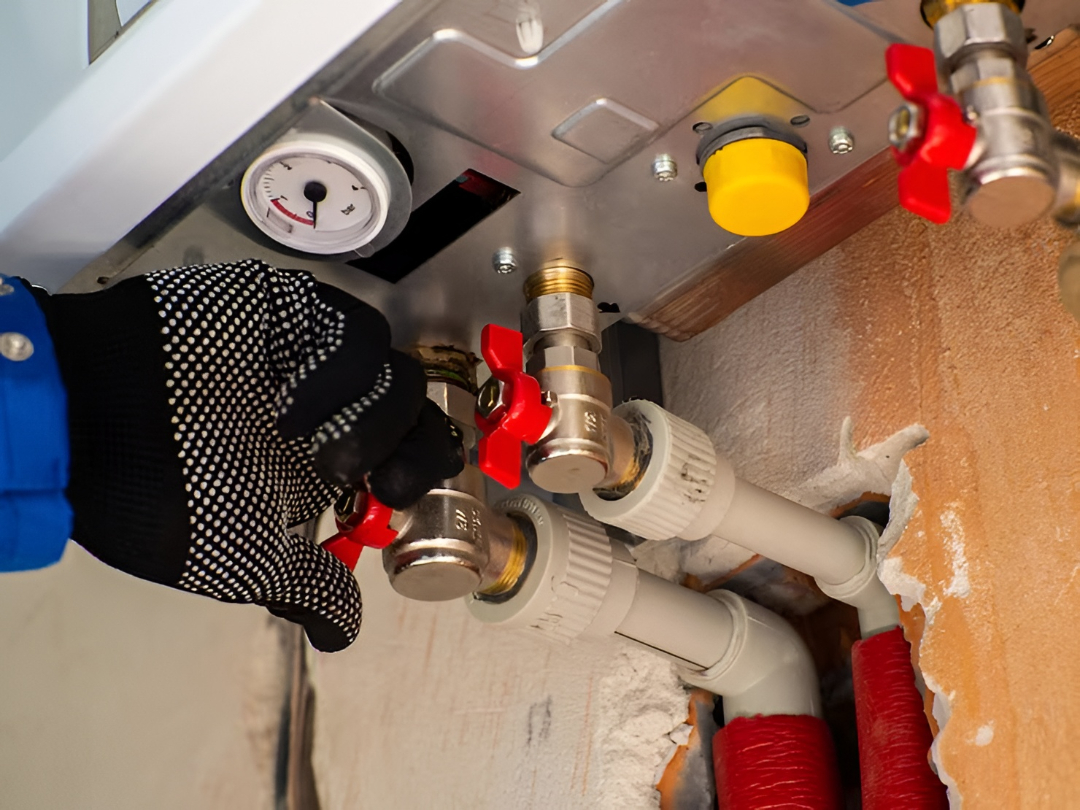
If you identify one or more of these warning signs, you must prioritise human safety over property preservation. Follow this step-by-step emergency protocol:
For long-term property protection, modern gas fitters often look beyond traditional patches. If an underground line running beneath a concrete driveway or landscaped garden suffers from structural damage, excavation isn’t always necessary.
Through advanced pipe relining services, special epoxy barriers can be used to repair sewer and stormwater lines, but for gas infrastructure, specialised high-pressure lines must be drawn through or replaced using trenchless techniques. Ensuring that your lines are monitored via high-tech pressure gauges ensures that when a gas line repair is completed, it meets the rigorous testing requirements of the Plumbing Code of Australia.
It is worth stating clearly: gas line repair is never a DIY project. Under Australian law, it is illegal for anyone other than a licensed plumber and gas fitter to perform work on gas lines or appliances.
At Civic Plumbing, our technicians are fully licensed, insured, and equipped with the latest diagnostic technology. When we arrive at a property for a suspected gas issue, we don’t guess. We use digital manometers for precision pressure testing and electronic gas detectors that can pinpoint leaks buried deep inside wall cavities.
Once our gas pipe repair is completed, we execute a final safety clearance and provide you with an official Certificate of Compliance. This document is your legal guarantee that your system is safe, complies with Australian standards, and preserves your property’s insurance coverage.
If you smell gas, immediately turn off all ignition sources, avoid using electrical switches or appliances, evacuate the property, and call a licensed gas plumber from a safe location. Do not attempt to locate the leak yourself.
Common signs include a rotten egg smell, hissing sounds near gas pipes, unusually high gas bills, yellow appliance flames, dead vegetation near underground lines, or physical symptoms like headaches and dizziness indoors.
Yes. Any suspected gas leak should be treated as an emergency because leaking gas can cause fires, explosions, and carbon monoxide exposure. Immediate professional inspection and repair are essential.
No. In Australia, gas line repairs must only be carried out by a licensed gas fitter or plumber. DIY gas repairs are illegal and extremely dangerous due to the risk of leaks, fire, and non-compliance with safety regulations.
It’s recommended to have your gas lines, regulators, and appliances professionally inspected at least every 1–2 years, especially in older properties or commercial buildings with heavy gas usage.
Natural gas provides unmatched efficiency and comfort, but it demands respect. Staying alert to the 10 warning signs, from the tell-tale rotten egg smell to erratic yellow flames, is your best defence against an emergency. By acting fast and opting for professional intervention at the first sign of trouble, you can protect your investment and ensure your home or business remains a safe environment.
Don’t gamble with a suspected gas leak or let ageing infrastructure compromise your safety. At Civic Plumbing, we provide rapid, reliable, and fully compliant residential and commercial gas solutions across Sydney. Whether you need an urgent gas line repair, routine line testing, or appliance installation, our experienced team is just a phone call away.
Smell gas or suspect a hidden leak? Don’t wait. Call Civic Plumbing immediately on 0410 790 630 for emergency assistance.



