- Sorry! We are currently closed!
 5 - Star Service
- Call our number today!
0410 790 630
5 - Star Service
Rising electricity bills, growing environmental awareness, and major clean energy policy shifts are transforming how local households manage their energy footprint. In 2026, the transition toward home electrification is accelerating across New South Wales. Property owners are taking a closer look at where their energy dollars are going — and old electric storage tanks are increasingly being phased out.
Instead, households are turning to advanced solar hot water systems to future-proof their properties and permanently slash their utility expenses.
Heating water accounts for roughly 15% to 30% of a typical Australian household’s total energy use. Sydney gets plenty of sunshine, but grid electricity tariffs continue to rise. Relying on fossil fuels or old resistance elements to heat water is becoming an expensive habit.
Switching to a modern solar water heating system lets you tap into free renewable energy, cut your carbon footprint, and access generous government rebates.
In this guide, we cover how solar hot water systems work, what they cost, the rebates available, and why they’re one of the smartest upgrades a Sydney homeowner can make.
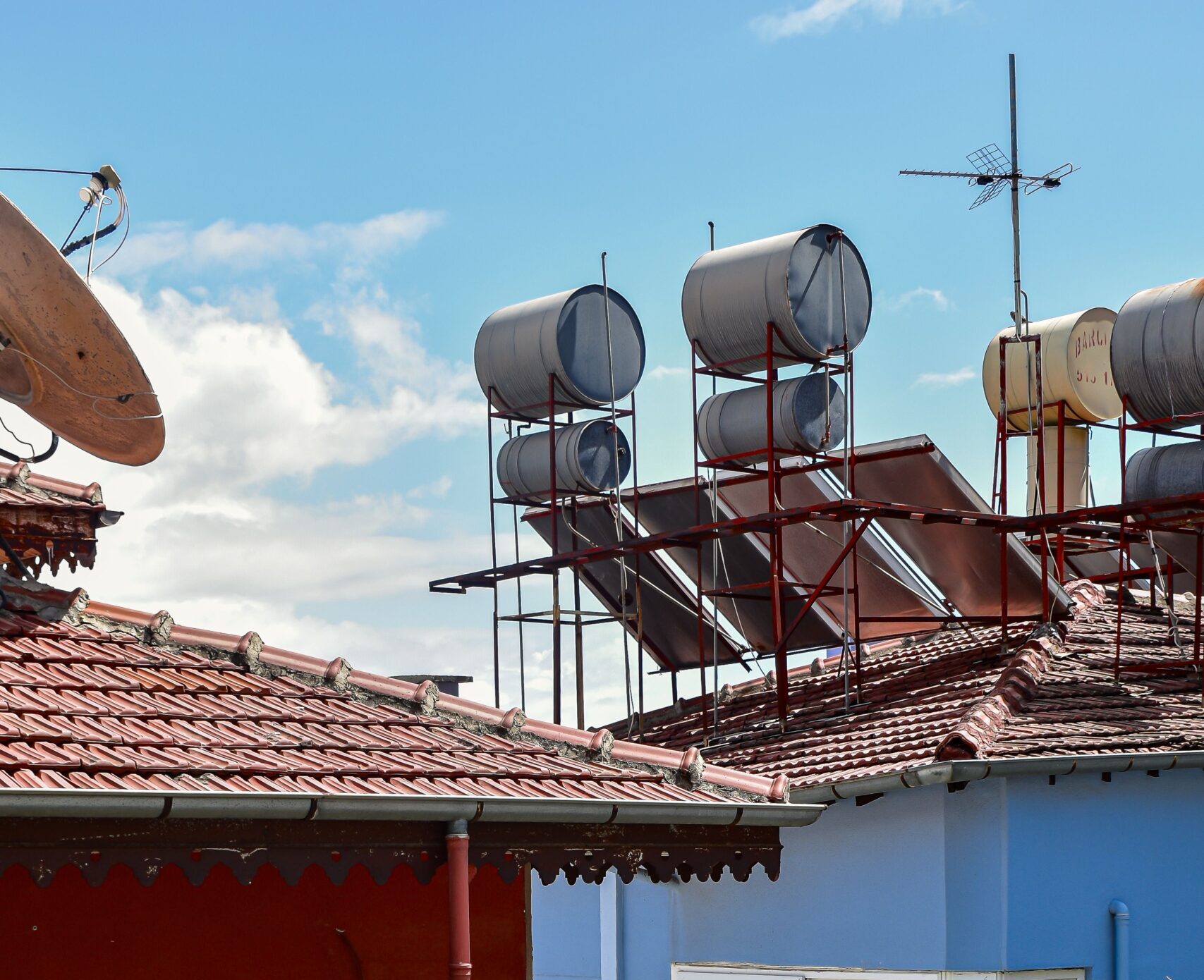
To understand why solar hot water systems are so efficient, it helps to know how they actually work. Unlike solar PV panels, which convert sunlight into electricity, solar thermal systems capture the sun’s heat directly to warm your water supply.
Modern residential systems generally fall into two primary configurations:
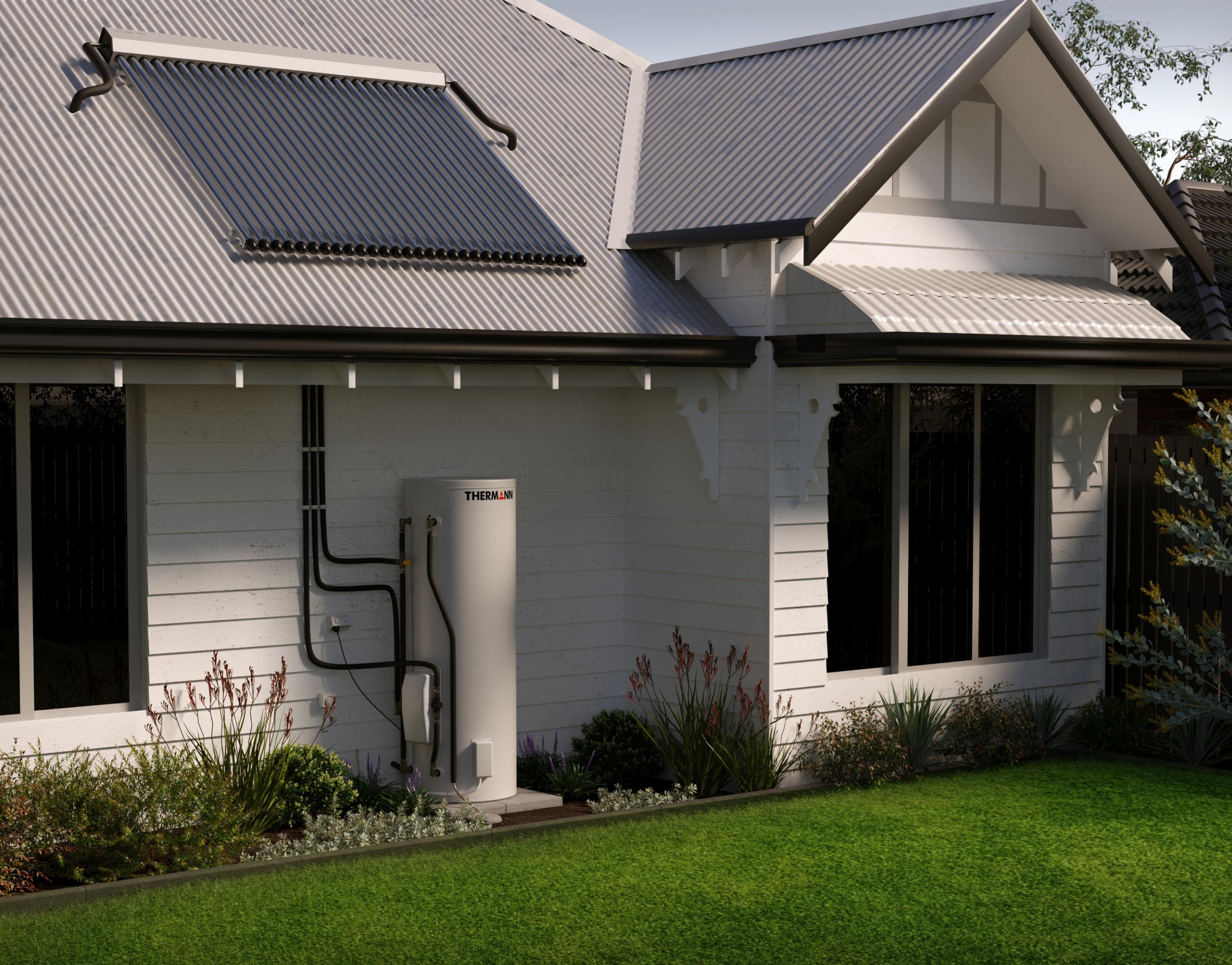
This classic design features roof-mounted solar collector panels (either flat plates or highly insulated evacuated glass tubes) oriented toward the north to maximise solar exposure. Water from a ground-mounted or roof-integrated storage tank is pumped through copper pipes woven inside these collectors. As the fluid passes through the sun-baked panels, it absorbs thermal energy directly, heating up rapidly before circulating back into the storage cylinder via an internal heat exchanger.
Evacuated tube systems represent a premium tier of thermal collection. They consist of parallel rows of twin-wall glass tubes with a vacuum sealed between them. This vacuum acts like a thermos flask, letting the internal heat pipes capture solar energy even on overcast or cold days, with minimal heat loss.
For decades, many local homes relied on natural gas continuous-flow units or standard electric storage tanks. However, market shifts and local policy updates have fundamentally changed the cost equations for utilities.
The New South Wales Government is actively steering homes toward full electrification. Following structural policy changes designed to gradually reduce residential reliance on fossil fuels, gas connection fees and wholesale gas tariffs have risen steadily. Running an ageing gas unit is no longer the affordable option it once was. Simultaneously, traditional electric resistance storage systems are facing tighter structural regulations due to their high energy consumption. This makes a solar hot water system the practical choice for homeowners wanting to protect their budgets from rising energy costs.
Many properties across the region already possess rooftop solar PV arrays. However, feed-in tariffs (the credit you receive for exporting excess solar electricity back to the main grid) remain low, hovering around 5 to 15 cents per kilowatt-hour. By upgrading to an advanced solar-powered hot water system fitted with a smart internal timer, you can program your system to heat water during peak daylight hours. This lets you store your own solar energy as hot water, improving your return on investment and reducing reliance on grid power after dark.
A common question among property owners considering solar hot water systems concerns the initial setup cost. While the upfront cost is higher than a standard gas unit, government rebates and long-term savings quickly shift the numbers in your favour.
Because installing an energy-efficient solar water heating system significantly reduces grid electricity demands, it qualifies for substantial financial subsidies under the Federal Government’s Small-scale Renewable Energy Scheme (SRES).
When a certified professional completes the installation, the project generates a specific number of Small-scale Technology Certificates (STCs). The number of certificates depends on the system’s rated efficiency and your location’s climate zone.
These certificates are typically assigned directly to your installer to provide an immediate, point-of-sale discount worth between $800 and $1,800. Additionally, under the newly expanded NSW Home Energy Saver Program launched in mid-2026, eligible owner-occupiers can access extra regional discounts when replacing failed electric tanks, alongside interest-free financing options up to $15,000 over 10 years to fund energy upgrades.
Once installed, a solar hot water system can deliver an immediate reduction in your power bills. The sun can supply up to 70% to 80% of the energy needed to heat your water, so running costs drop significantly. For an average family of four transitioning away from an old-fashioned electric cylinder, this change translates directly into ongoing savings of $400 to $800 annually.
While the financial and environmental benefits are compelling, installing a solar-powered hot water system requires an assessment of your property’s layout and structural constraints.
To help map out your hot water options, review this technical performance snapshot comparing modern energy options:
| Hot Water System Type | Energy Efficiency Profile | Average Annual Running Cost | Upfront Investment Impact | Government Rebate Eligibility |
| Solar Thermal / Evacuated Tube | Exceptionally High (Captures direct solar heat) | Very Low ($100 – $250) | High ($4,000 – $6,500 gross) | Eligible for maximum Federal STC point-of-sale discounts |
| Continuous-Flow Gas Unit | Moderate (Relies on fossil fuel combustion) | Moderate to High ($400 – $750) | Low to Moderate ($1,800 – $3,200) | Phase-out programs apply; not eligible for replacement rebates |
| Traditional Electric Storage | Exceptionally Low (Relies on high-resistance element) | High ($600 – $950+) | Very Low ($1,200 – $1,900) | Strictly penalised under modern efficiency standards |
Yes, they do. While flat-plate collectors perform best under direct sunlight, premium evacuated tube systems are highly sensitive and can capture solar radiation through light cloud cover. On heavily overcast or rainy days when solar gains are insufficient, the system’s integrated electric or gas backup booster automatically kicks in to heat the water to a safe temperature, ensuring you never face a cold shower.
A high-quality residential solar hot water system is built to withstand harsh Australian conditions and generally lasts between 10 and 15 years, with some premium systems operating efficiently for up to 20 years. This durability relies on basic, routine maintenance, such as changing the internal tank sacrificial anode rod every 4 to 5 years to prevent structural cylinder rust.
Both options are highly efficient alternatives to old-fashioned electric storage tanks. A solar thermal system uses roof-mounted panels to harvest direct heat from the sun, making it an exceptional option if you have unshaded, north-facing roof space. A heat pump operates like a refrigerator in reverse, extracting heat from the surrounding air. If your roof space is limited or fully shaded but you still want an efficient, fully electrified system, a heat pump is an excellent choice.
Under New South Wales plumbing codes and Fair Trading guidelines, all major hot water upgrades must be executed by a licensed professional and registered with an official Certificate of Compliance. Non-compliant installations include systems fitted without mandatory Temperature Control Valves (tempering valves) to limit water delivery to personal hygiene taps to a safe 50 degrees to prevent scalding, or failing to fit an operational Pressure Temperature Relief (PTR) safety valve.
During a professional site assessment, a licensed plumber will evaluate your roof layout, pitch, orientation, and framing type. If your roof framing cannot support a combined roof tank configuration, they will recommend a split system design. This smart configuration places only the lightweight collector panels on your roof trusses, keeping the heavy water storage tank safely on a ground-level concrete slab.
Investing in solar hot water systems is more than a simple appliance upgrade; it is a strategic decision to transition your property toward sustainable, self-sufficient energy management. While traditional electric or gas storage options present a lower upfront purchase price, they leave your household budget exposed to rising utility tariffs and fossil fuel inflation for years to come. By harnessing free, renewable solar thermal energy to cover your highest-consuming domestic task, you can take full control of your long-term energy footprint.
At Civic Plumbing, we specialise in the comprehensive technical assessment, system design, and certified installation of premium hot water networks across Sydney. Our team of dual-licensed plumbing and gas specialists brings hands-on experience and up-to-date knowledge of current NSW rebates and incentives. We handle the entire upgrade process smoothly, from assessing your roof load and calculating the optimal cylinder capacity for your family to processing all your federal STC rebate paperwork directly at the point of sale.
Stop letting an outdated hot water system push up your energy bills. Take advantage of clean energy incentives and transition your home to a reliable, low-cost solar hot water system.
Ready to explore a residential solar hot water system for your property? Contact Civic Plumbing today on 0410 790 630 to speak with a licensed specialist or request an upfront, transparent quote.



