- Sorry! We are currently closed!
 5 - Star Service
- Call our number today!
0410 790 630
5 - Star Service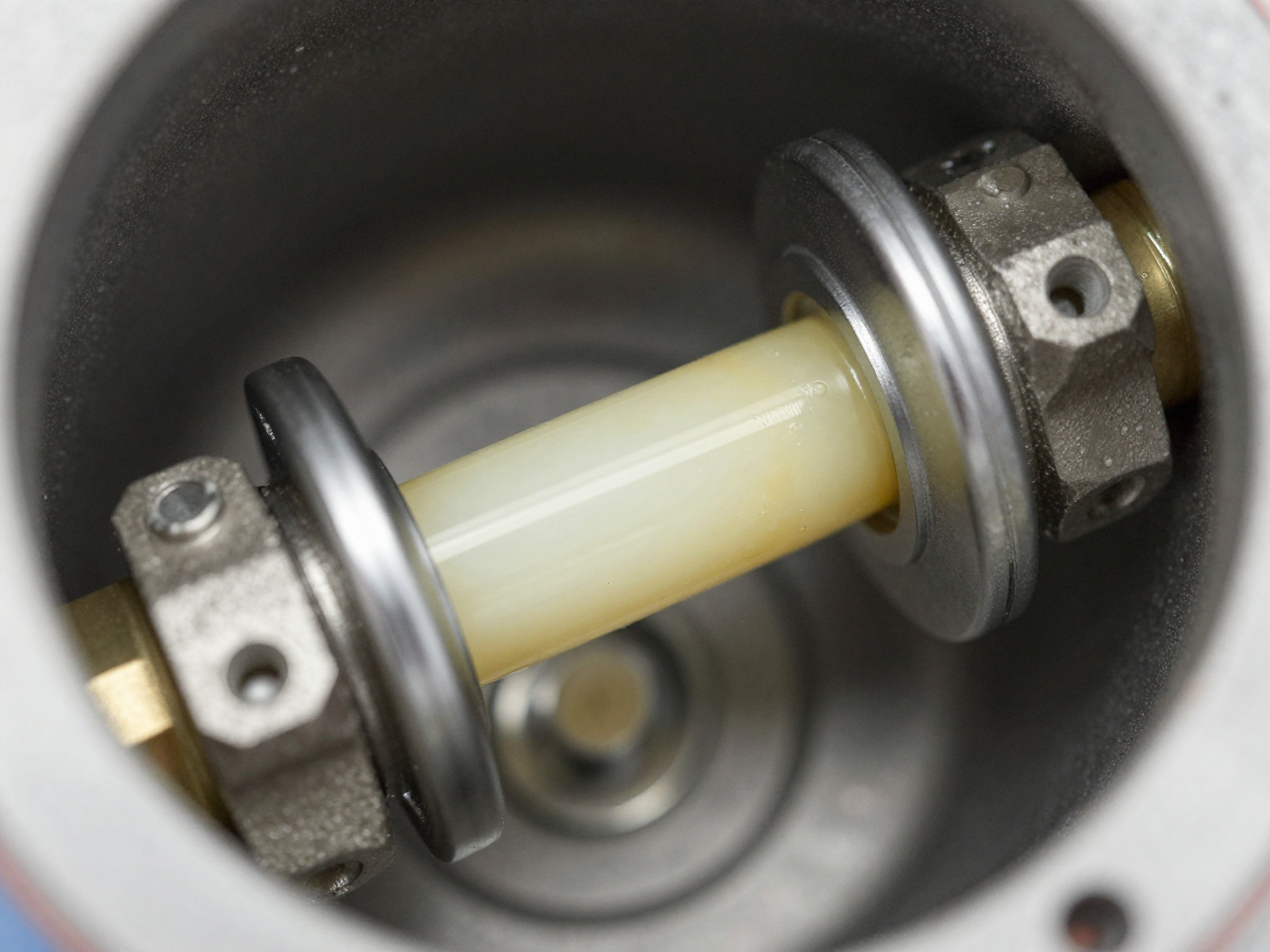
When it comes to Australian plumbing safety, few components carry as much responsibility as the thermostatic mixing valve. While the average homeowner might be familiar with basic taps or even tempering valves, the TMV represents a higher tier of engineering designed specifically for high-risk environments. In hospitals, aged care facilities, childcare centres, and schools across Sydney, TMV plumbing is the primary line of defence against severe scalding and thermal shock.
To understand why this device is so critical, it helps to understand what’s known as the “Plumbing Paradox”. In Australia, hot water must be stored at a minimum of 60°C to kill Legionella bacteria. However, at 60°C, a child’s skin can be severely scalded in less than a second. The thermostatic mixing valve is the sophisticated solution to this problem, allowing for high-temperature storage while ensuring safe-temperature delivery.
A thermostatic mixing valve is a precision-engineered valve that blends hot and cold water to a pre-set, constant temperature. Unlike a standard manual mixer, where the user balances the temperature by hand, a TMV uses internal thermal components to react to pressure and temperature fluctuations instantaneously.
The goal of TMV plumbing is to deliver water that is typically between 38°C and 45°C. In many healthcare settings, the legal limit is exactly 43.5°C. The precision required to maintain this specific temperature, regardless of whether someone else is using water elsewhere in the building, is what sets the TMV apart from simpler residential valves.
The “magic” of the TMV lies in its internal thermal element, usually a high-sensitivity wax capsule or a bimetallic coil.
Inside the valve, the thermal element acts as a motor. As hot water enters the valve from the water heater, it passes over this element. If the water is hotter than the desired setting, the wax expands. This expansion physically moves a piston or a slider that restricts the hot water intake and simultaneously opens the cold water intake.
If the cold water pressure suddenly drops (for example, when a commercial dishwasher starts a cycle), the thermal element senses the rising temperature of the mix and immediately moves the piston to restrict the hot water. This ensures the output temperature remains stable within a margin of +/- 1°C.
The most vital feature of a thermostatic mixing valve is its “fail-safe” or “cold water failure” protection. If the cold water supply is cut off entirely, the thermal element expands so rapidly that it completely shuts off the hot water flow. This prevents a “slug” of scalding water from exiting the tap, providing a level of protection that is mandatory in Australian healthcare and childcare sectors.
Because TMVs are safety-critical devices, they are governed by strict Australian Standards, primarily AS4032.3. Compliance is not a suggestion; it is a legal requirement for facility managers and business owners.
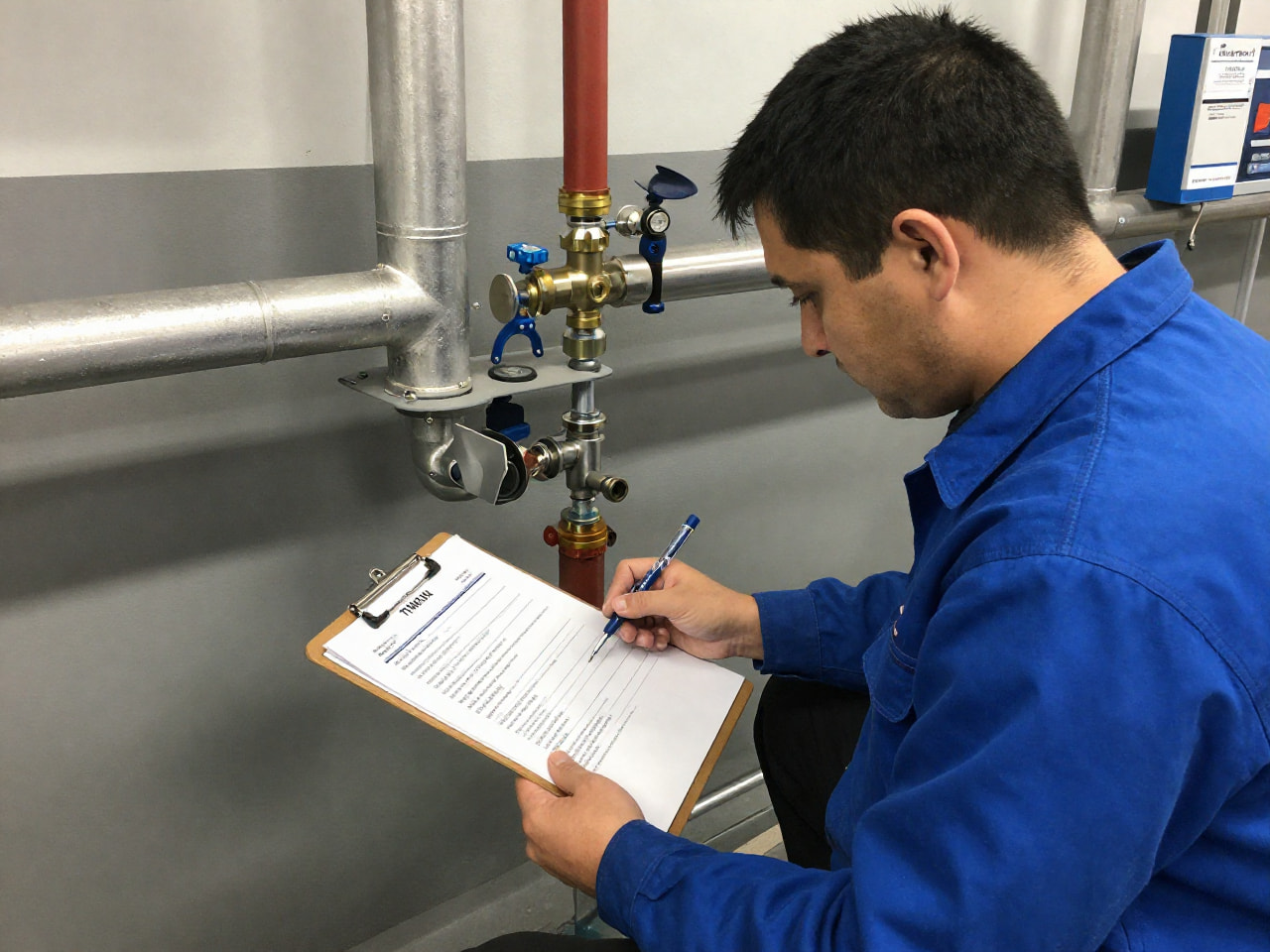
Under Australian law, every thermostatic mixing valve in a commercial or public-use building must undergo TMV testing and certification every 12 months. This testing must be performed by a duly licensed plumber who holds a specific TMV endorsement on their licence.
During a TMV testing and certification procedure, the plumber performs:
A TMV is a mechanical device with moving parts, rubber seals, and fine-mesh strainers. Over time, Sydney’s water (which can carry mineral deposits and fine sediment) can take a toll on these delicate components. Without regular TMV maintenance services, the valve can become a hazard rather than a safety feature.
The rubber O-rings inside a TMV are subject to constant thermal stress. If these seals perish, hot water can “bleed” into the cold line or vice versa, a phenomenon known as cross-connection. This leads to unpredictable temperatures and can even damage other parts of the plumbing system.
TMVs include internal strainers to protect the thermal element. Over time, these strainers catch pipe scale and sediment. If not cleaned during routine TMV maintenance services, the reduced flow can cause the valve to “hunt” for the right temperature, leading to fluctuations and premature wear of the thermal motor.
Even with regular maintenance, components will eventually reach the end of their service life. Recognising the signs of failure early can prevent a total system shutdown.
Professional thermostatic valve repair often involves the use of “service kits,” which include new pistons, thermal elements, and seals. In many cases, it is more cost-effective to service a high-quality valve than to replace the entire unit.
A common misconception in the industry is that a standard tempering valve (the kind found on residential homes) is the same as a TMV. While they share a goal, they are used in different contexts:
Managing a fleet of TMVs in a large facility is a logistical challenge. At Civic Plumbing, we specialise in the full lifecycle of TMV plumbing. Our service isn’t just about fixing a leak; it’s about total asset management.
We provide:
Generally, no. Standard residential homes use tempering valves, which do not have the same mandatory annual testing laws as commercial TMVs. However, if you have a high-risk individual at home, you may choose to install a TMV for superior safety.
For commercial and healthcare facilities, the standard is a full service and recertification every 12 months. Some high-risk facilities choose to perform a basic temperature check every 6 months as part of their risk management strategy.
With proper TMV maintenance services, a high-quality valve can last 10 to 15 years. However, the internal “serviceable” parts (like the wax element and O-rings) usually need replacement every 5 years to ensure continued accuracy.
No. In most Australian states, a plumber must have completed a post-trade course in TMV plumbing to be legally allowed to test, certify, or repair these valves. Always check that your plumber has the correct endorsement on their licence.
Noise in a thermostatic mixing valve is often caused by a pressure imbalance between the hot and cold supplies or by debris caught in the internal check valves. This is a sign that an urgent maintenance service is required.
The thermostatic mixing valve is the ultimate guardian of hot water safety. In the environments where we care for our most vulnerable (the young, the elderly, and the sick), there is no room for error. From the technical precision of the internal piston to the legal rigour of annual TMV testing and certification, every aspect of the TMV system is designed to provide a fail-safe environment.
At Civic Plumbing, we understand the gravity of this responsibility. Our team is dedicated to providing the highest quality TMV maintenance services and repairs across Sydney. We don’t just see ourselves as plumbers; we see ourselves as safety partners for your facility. By combining upfront pricing, expert knowledge, and meticulous compliance reporting, we ensure that your hot water is always a source of comfort, never a source of danger.
Don’t leave your hot water safety to chance or let your compliance certificates lapse. Partner with the specialists who understand the complexities of TMV plumbing.
Need professional TMV testing or urgent thermostatic valve repair? Call us today on 0410 790 630 to speak with a licensed specialist.



