- Sorry! We are currently closed!
 5 - Star Service
- Call our number today!
0410 790 630
5 - Star Service
We know this one from experience. As a plumbing company in Redfern, we often get called out across the Inner City for hot water tank problems, only to find the fault is electrical and hand the job over to our electrician mates.
It happens the other way too. People call an electrician first, only to find a failed valve or a leak at the base of the tank.
It’s an easy mistake to make, because a plumbing fault and an electrical fault can look exactly the same from the shower. Some faults come from the water supply, pipework or valves, while others involve electrical components, wiring or the power supply. Sometimes both trades are needed to fix different parts of the same problem.
Once you know a few signs, though, you can usually tell which trade to call first and avoid unnecessary delays.
A hot water issue is more likely to need a plumber when the problem involves the water itself or the plumbing components connected to the system.
Common examples include:
A plumber can inspect the plumbing side of the system, identify leaks or pressure problems and check whether valves, pipework or other water-related components are contributing to the fault.
If the problem appears to involve the plumbing side of the hot water unit, Civic Plumbing also provides hot water heater repairs in Sydney for leaking systems, temperature problems and other hot water faults.
Hot water system failures are also among the common plumbing issues Sydney homeowners face, particularly as tanks, valves and other components begin to age.
If water is escaping around the system, it is worth having the source checked promptly, particularly where electrical components are nearby.
If the plumbing appears intact but the system is not heating properly, the issue may be electrical.
Some signs that an electrician may need to investigate include:
When the fault is in the wiring, circuits or anything else powered, a licensed electrician needs to do the electrical work.
It also helps to call someone local. We know the pipework under the Inner City’s terraces and apartment blocks because we work on it every week, and electricians get to know the wiring hidden behind walls in their own area the same way.
They’ve seen how older homes nearby were wired, which past upgrades tend to cause trouble, and where the faults usually turn up. If you’re in the Inner West, a local Inner West electrician will know those homes well. Further east, look for one of the electricians who work across the Eastern Suburbs day to day.
Hot water systems sit at the point where plumbing and electrical systems can overlap.
A plumber may find that the pipework, valves and water pressure are operating correctly, but the unit still will not heat. In that situation, the electrical side may need to be checked.
The opposite can also happen. An electrical component may appear to be functioning normally, while a plumbing issue such as a failed valve, restricted water flow or leaking connection is preventing the system from operating properly.
This is why diagnosing the source of the problem matters before replacing parts or assuming the entire unit has failed.
Water around electrical equipment should always be treated carefully.
A leak from pipework, valves or the hot water unit can allow moisture to reach electrical components. Even a relatively small leak may become a more serious issue if it is left unnoticed.
If you see water around a hot water system, avoid touching nearby electrical components and arrange for the plumbing leak to be assessed.
Where water has reached wiring, switches or other electrical equipment, an electrician may also need to inspect the area before the system is used again.
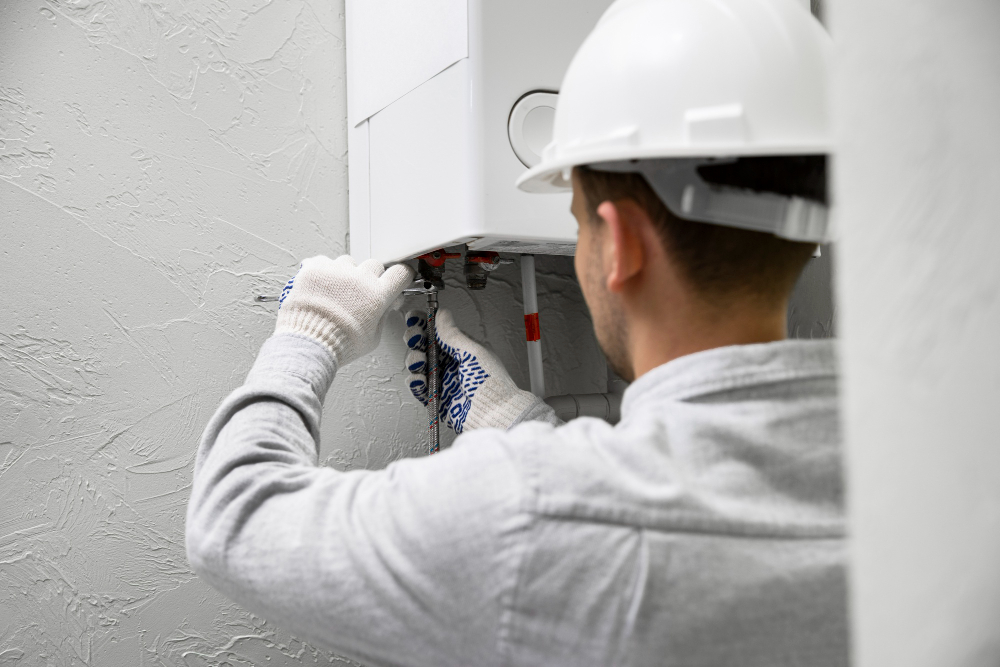
Electric hot water systems rely on both a reliable water supply and an electrical connection.
The plumbing side includes components such as:
The electrical side may include:
A problem with either side can affect the overall performance of the system.
For example, a failed electrical heating element may stop the water from heating, while a leaking valve may cause water loss even if the electrical components are working correctly.
The same overlap occurs during home renovations, particularly in kitchens and bathrooms.
Plumbing work may involve moving water supplies, drains, sinks, showers, toilets or vanities. Electrical work may be needed for lighting, exhaust fans, power points, appliances and other powered fixtures.
For larger projects, such as a full kitchen renovation, plumbing and electrical work may both need to be planned around the new layout, cabinetry and appliance locations.
When both trades are involved, planning the location of pipework and wiring before walls, floors or cabinetry are finished can help avoid unnecessary rework later.
This is particularly important in older Sydney homes, where existing plumbing and electrical services may already have been modified over time.
Hot water systems are not the only place where plumbing and electrical work can cross over.
Other examples include:
If one of these systems stops working, the fault may be hydraulic, mechanical or electrical.
A pump that stops running, for example, may have lost power, developed a mechanical fault or be affected by a blockage or water supply issue. Identifying the cause first can prevent unnecessary replacement of equipment.
If the problem involves leaking water, pressure, pipes, valves, drainage or water flow, a plumber is generally the appropriate first call.
If the issue involves wiring, electrical supply, circuit breakers, switches or powered components, an electrician should assess it.
When the cause is unclear, the first trade attending may be able to identify whether another licensed trade also needs to be involved.
If you are dealing with a leaking hot water system, damaged pipework, water pressure problems or another plumbing issue, Civic Plumbing, based in Redfern, can inspect the problem and determine what needs attention.
Civic Plumbing can assist with hot water plumbing, leaks, blocked drains and other plumbing problems across Redfern and surrounding Sydney areas.
Call Civic Plumbing on 0410 790 630 or contact us online to arrange a plumbing service.



